 Aufguss Bundles
 Ätherische Öle
  Probierboxen
 Sauna Mützen & Kissen
 Sauna
Sauna
 Bundles
 Beliebt in der Sauna
 Beliebt im Diffuser
 Sauna Eimer
 Sauna Messgerät
 Rückenlehne & Kopfstütze
 Massage
 Sauna Extras
 Geschenk bis 50 Euro
 Geschenk bis 100 Euro
 Sauna Salz
 Sauna Honig
 Sauna Peeling
 Zubehör
 Geschenk & Bundle
 Alles aus Textilien
 Saunahut
 Sauna Kissen
 Sauna Kilt
 Geschenk-Set & Bundle
 Sauna Handtuch
 Sauna Bademantel
 Alles aus Sauna
 Fasssauna
 Innensauna
 Eistonne
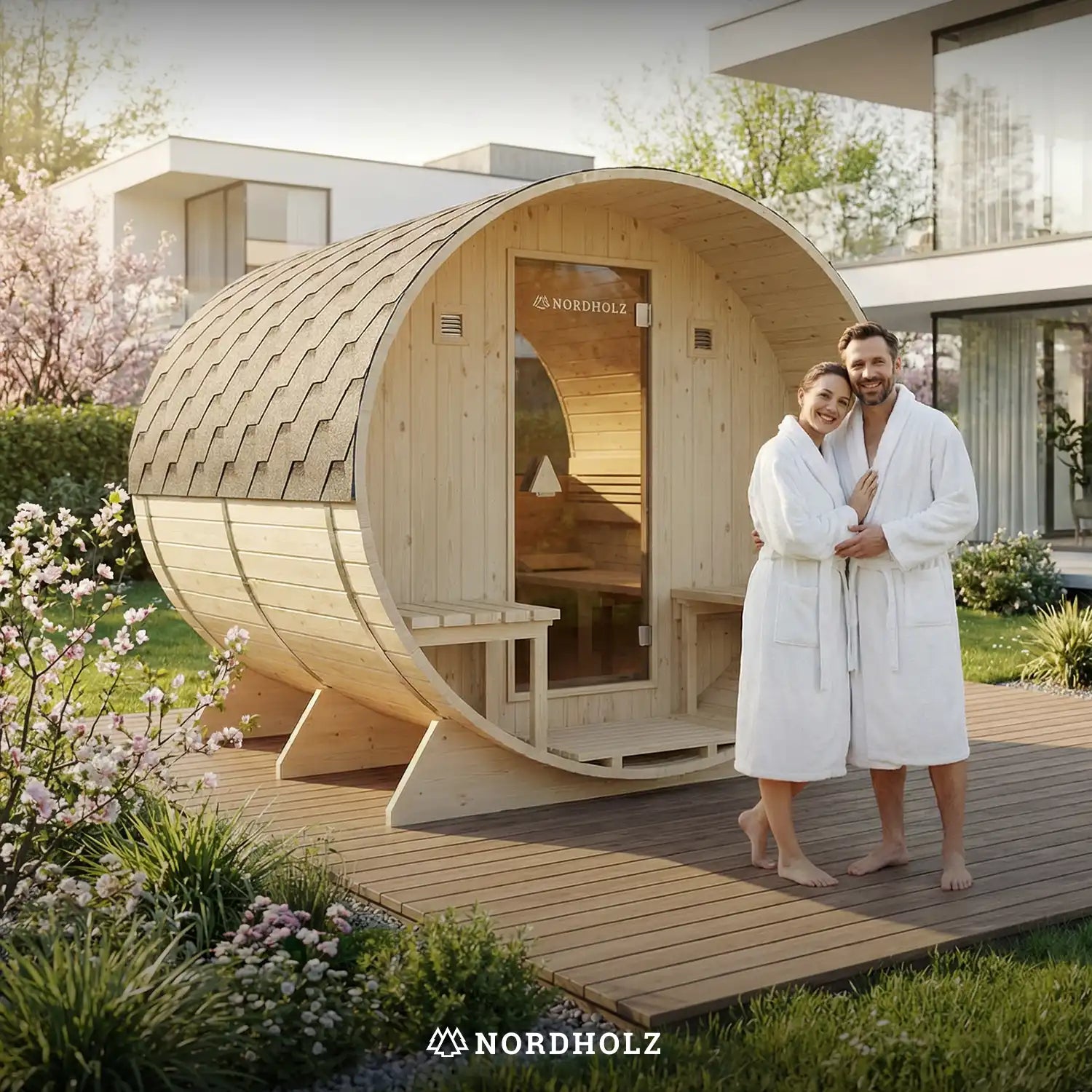
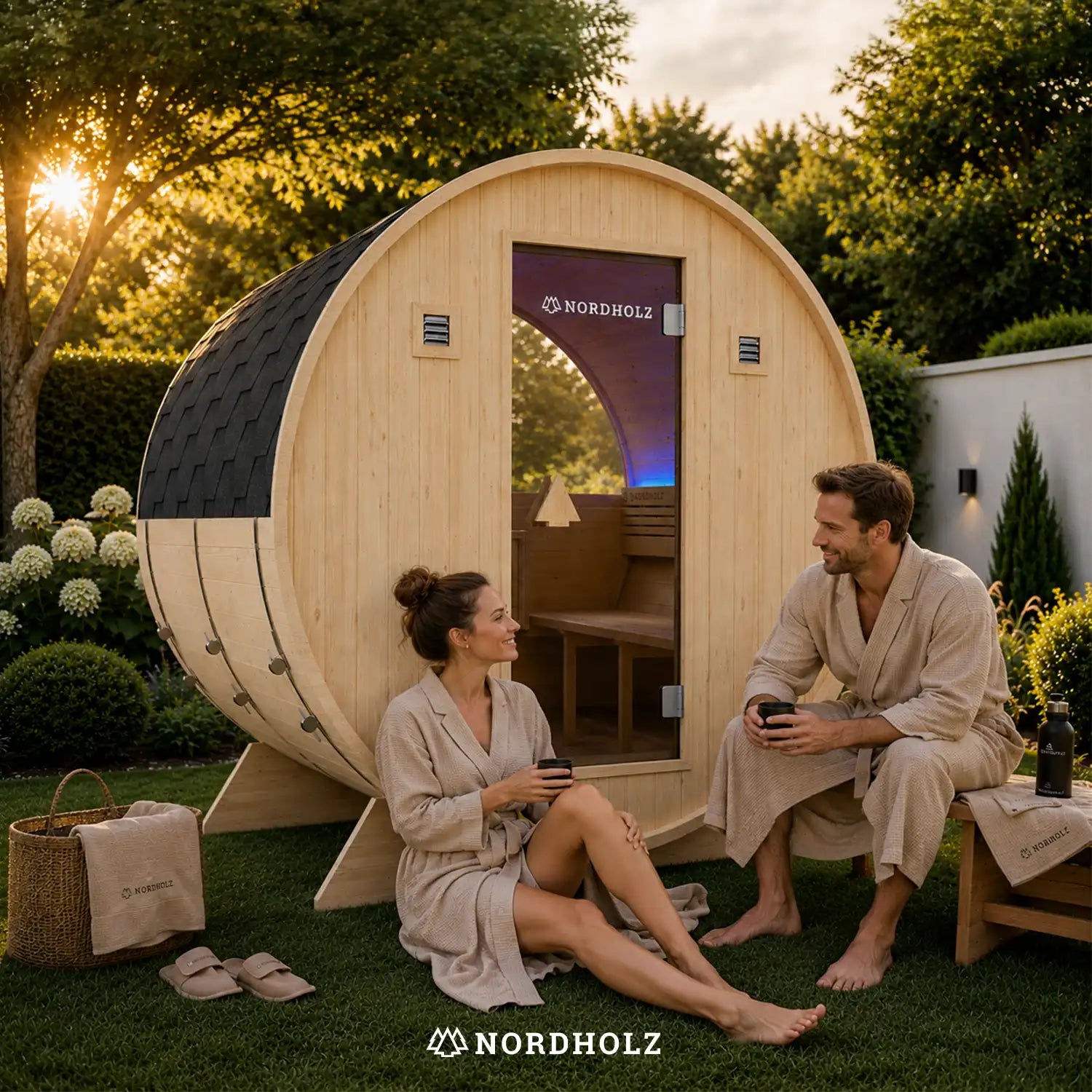
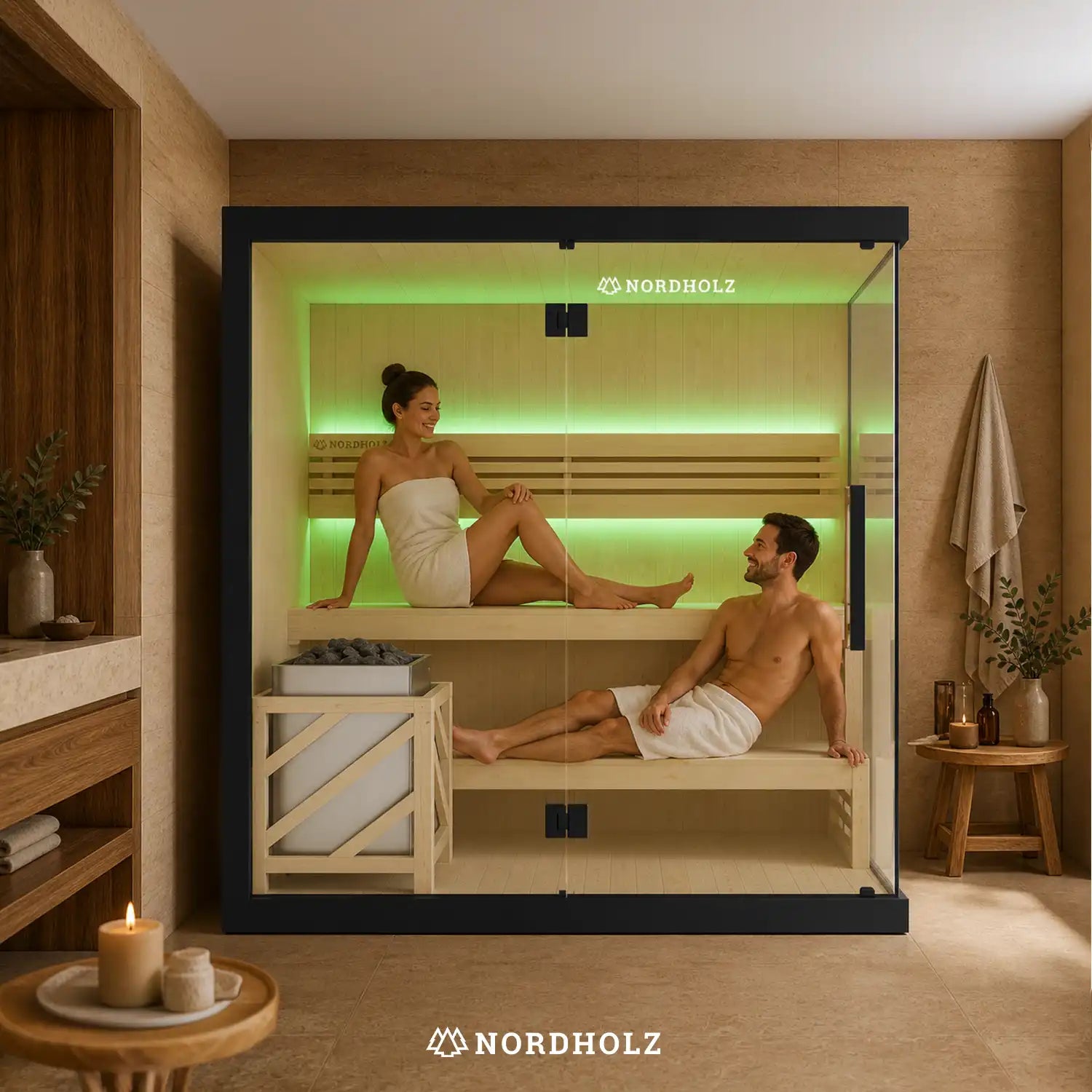

Pure relaxation: Your own sauna at home
Who doesn't dream of simply slipping into their own sauna after a stressful day and letting their soul unwind? A private wellness temple in your own home – sounds fantastic, doesn't it? But before you dive into planning, you should consider a few important points.
This article will guide you step-by-step through setting up a sauna and show you what to consider when choosing the type of sauna, its size, features, and installation. This way, you can ensure that your home sauna becomes a place of relaxation and rejuvenation, where you can enjoy your well-deserved breaks.
Which type of sauna is right for you?
Choosing the right type of sauna is the first important step. There are three common variations:
- Finnish Sauna: The classic sauna with high temperature (up to 90°C) and low humidity. Perfect for intense sweating and detoxification. The heat of the Finnish sauna has a deep effect on the body and promotes blood circulation. Sweating flushes toxins from the body, leading to a feeling of cleansing and relaxation. The classic Finnish sauna is the ideal choice for anyone seeking an intense sauna experience.
- Bio-Sauna: Offers a milder temperature (between 60 and 80°C) and higher humidity. Suitable for beginners and people with sensitive skin. The bio-sauna offers a gentler sauna experience and is therefore ideal for people who still need to get used to the high temperature of the Finnish sauna. The higher humidity creates a more pleasant room climate and makes the bio-sauna a good choice for people with sensitive skin.
- Infrared Sauna: Radiant heat penetrates deeper into the body and relaxes the muscles. Particularly suitable for people with joint problems or rheumatism. The infrared sauna is a good choice for anyone who values gentle and joint-friendly heat therapy. The infrared rays work deep within the tissue and can relieve pain, promote blood circulation, and increase well-being. The infrared sauna is an ideal alternative for people who do not tolerate the heat of a classic sauna well.
Which sauna is best for you depends on your individual needs and preferences. Consider the following aspects:
- Your health: Do you have health problems that influence the choice of a particular sauna type?
- Your preferences: What temperature and humidity do you prefer?
- Your budget: Which sauna types are affordable for you?
The right size for your home sauna
How much space do you have available? The larger your sauna, the more comfortable it will be. The ideal size depends on the number of people who will be using the sauna simultaneously. For one to two people, a sauna with 1.5 to 2 meters in length and 1.2 to 1.5 meters in width is sufficient. For larger families or groups, a sauna with 2 to 3 meters in length and 1.5 to 2 meters in width is recommended.
When planning the size, you should also consider the height of the sauna. A sauna height of 2 meters is usually sufficient, but for tall people, a height of 2.2 meters or more is recommended. If you want to install the sauna in the basement, you should consider the ceiling height and ensure that there is enough space for the sauna heater and ventilation.
Don't forget to consider the size of the changing room. An anteroom is important for changing and cooling down before and after the sauna session. This room should be at least 2-3 square meters and offer space for a bench, a coat rack, and a shelf for towels and sauna accessories.
Features: What makes your sauna indispensable
In addition to size, the features also play an important role in the sauna experience. These are among the most important features:
- Sauna stones: For optimal heat distribution and the generation of sauna air. The sauna stones should be regularly doused with water to increase humidity and create a pleasant room climate. There are various materials for sauna stones, such as diabase, granite, or soapstone. The choice of material depends on individual preferences and budget.
- Sauna heater: The heart of your sauna. There are various models with different heating capacities and fuels (electric, wood, gas). An electric heater is the simplest and most comfortable option. Wood-burning heaters create a particularly authentic sauna atmosphere and are more environmentally friendly, but require more maintenance. Gas heaters offer quick and easy operation, but are not as environmentally friendly as wood-burning heaters.
- Sauna lamps: For the right lighting in the sauna. Sauna lamps should produce pleasant and warm lighting that is neither too bright nor too dark. There are special sauna lamps that have low heat emission and thus do not affect the room temperature.
- Sauna bench: For comfortable sitting and lying during the sauna session. The sauna benches should be made of a breathable material, such as wood or bamboo. The benches should also have an ergonomic shape to allow for comfortable sitting and lying.
- Sauna door: For safe access to the sauna. The sauna door should be made of heat-insulating material and seal well to keep the heat in the sauna.
- Sauna accessories: Water bucket, ladle, hourglass, thermometer, and sauna fragrances. These accessories make the sauna even more comfortable and provide a relaxing and soothing sauna experience.
Other features that can enrich your sauna experience:
- Sauna stove: A traditional sauna stove offers an authentic sauna experience and allows you to heat the sauna with wood.
- Sauna control: A sauna control allows precise control of temperature and lighting.
- Sauna loungers: Sauna loungers offer a comfortable and relaxing reclining surface.
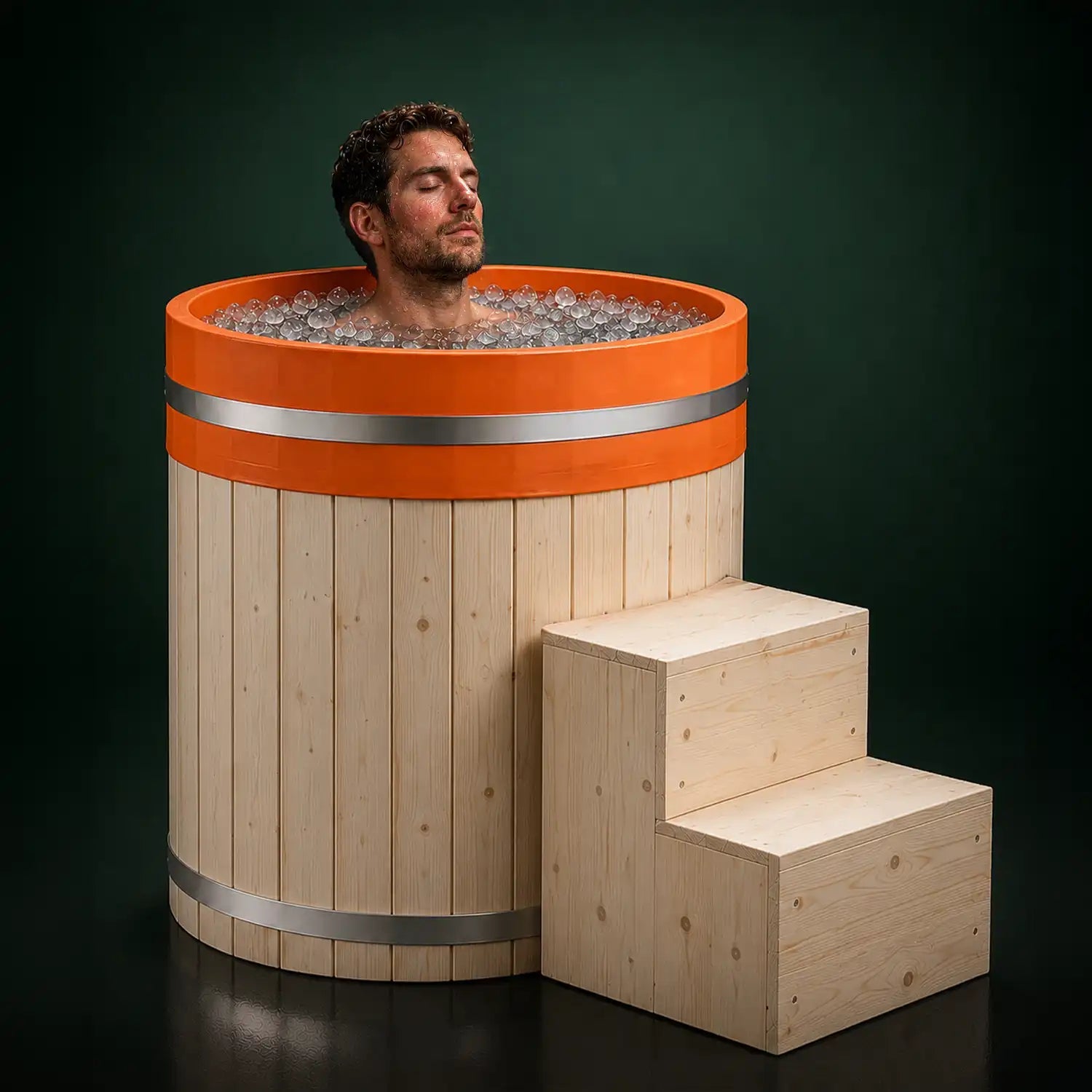
- Sauna cooler: A sauna cooler allows for a refreshing cool-down after the sauna session.
Installation and safety
Installing a sauna is a complex task that should be carried out professionally. Make sure that the installer has the necessary qualifications and experience.
Safety plays an important role:
- Safety technology: The sauna should have an RCD (residual current device) to prevent electric shocks.
- Fire protection: The sauna should have sufficient distance from flammable materials. To prevent fires, it is important to install the sauna in a fire-resistant room and to observe the manufacturer's safety regulations.
- Vapor barrier: A vapor barrier should be installed between the sauna and the wall to prevent moisture damage.
- Ventilation: The sauna must be adequately ventilated to ensure air quality.
- Cooling: Make sure there is a suitable place to cool down after the sauna session.
Talk to the installer about the necessary safety precautions and the correct installation of the sauna.
The right planning for a successful project
Before you start planning your home sauna, you should ask yourself the following questions:
- Where do you want to install the sauna? In the basement, in the bathroom, in the garden shed, or in a separate room?
- How much money do you want to spend on the sauna? Set a budget and stick to it.
- Which features are important to you?
- How much time do you want to spend on planning and installing the sauna?
- Do you want to build the sauna yourself or hire a professional?
Once you know the answers to these questions, you can start planning your home sauna.
Conclusion: Your own sauna – an investment in your health
Your own sauna at home is not only a luxurious pleasure, but also an investment in your health and well-being. Regular use of a sauna strengthens the immune system, detoxifies the body, relaxes muscles, and ensures healthy sleep. With the right planning and implementation, your home sauna will become a place of relaxation and rejuvenation where you can enjoy your well-deserved breaks.
Don't forget: The key to a successful home sauna lies in detailed planning, the selection of high-quality materials, and professional installation. This way, you can be sure that your sauna will be a place of relaxation and well-being where you can fully enjoy your time off.