 Aufguss Bundles
 Ätherische Öle
  Probierboxen
 Sauna Mützen & Kissen
 Sauna
Sauna
 Bundles
 Beliebt in der Sauna
 Beliebt im Diffuser
 Sauna Eimer
 Sauna Messgerät
 Rückenlehne & Kopfstütze
 Massage
 Sauna Extras
 Geschenk bis 50 Euro
 Geschenk bis 100 Euro
 Sauna Salz
 Sauna Honig
 Sauna Peeling
 Zubehör
 Geschenk & Bundle
 Alles aus Textilien
 Saunahut
 Sauna Kissen
 Sauna Kilt
 Geschenk-Set & Bundle
 Sauna Handtuch
 Sauna Bademantel
 Alles aus Sauna
 Fasssauna
 Innensauna
 Eistonne





Materials for sauna construction
Building a sauna is an exciting task where choosing the right materials is of great importance. Here are some materials you can consider for building your sauna:
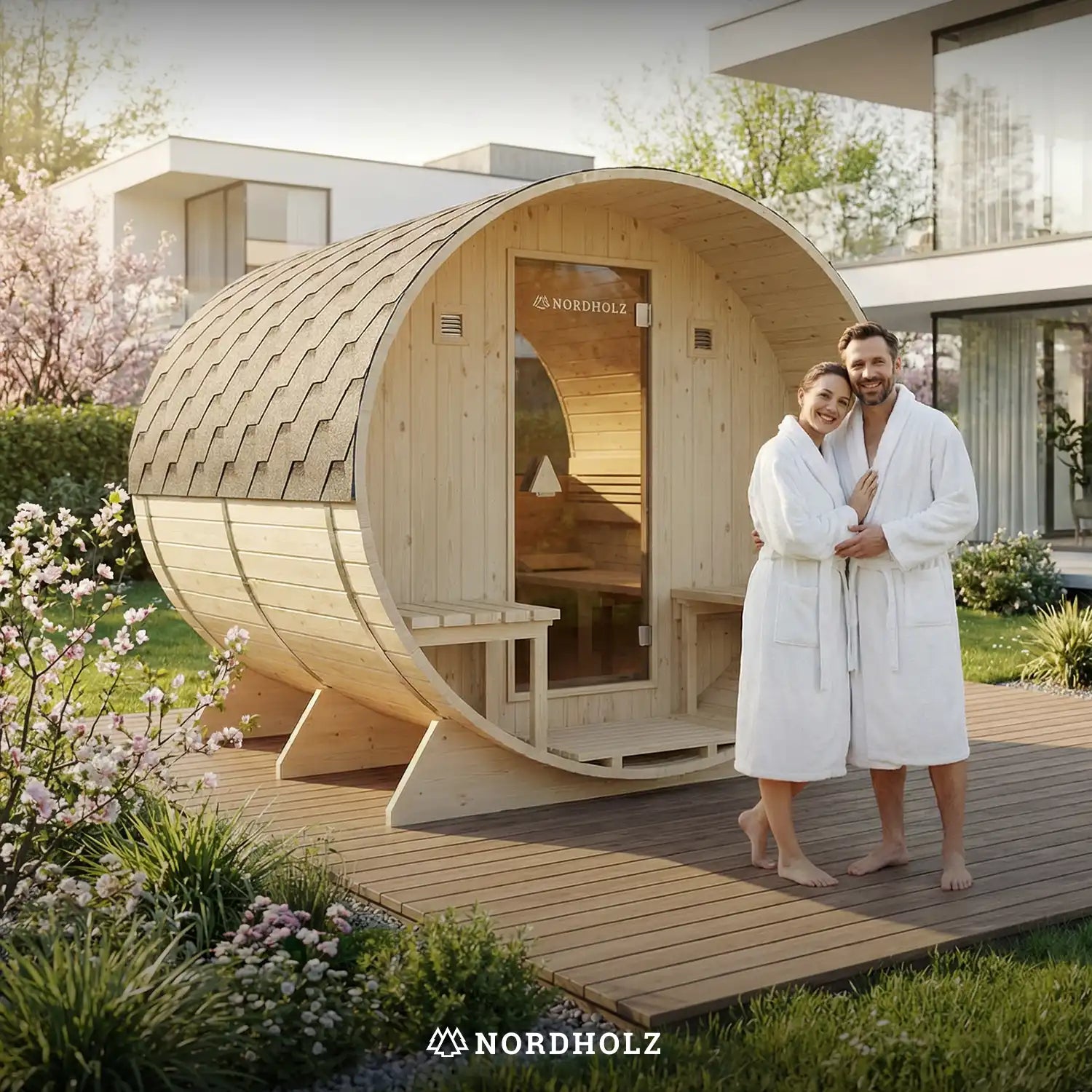
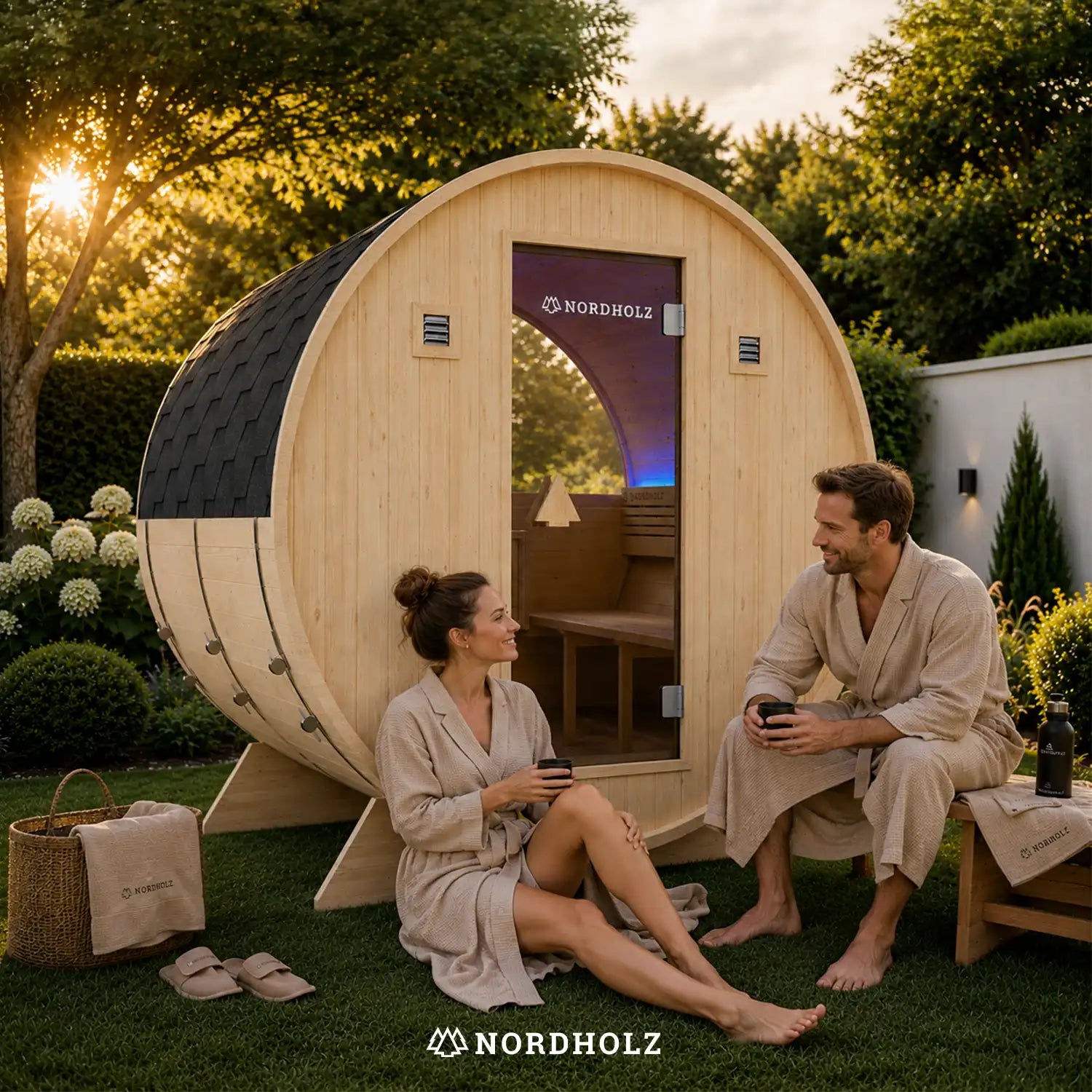
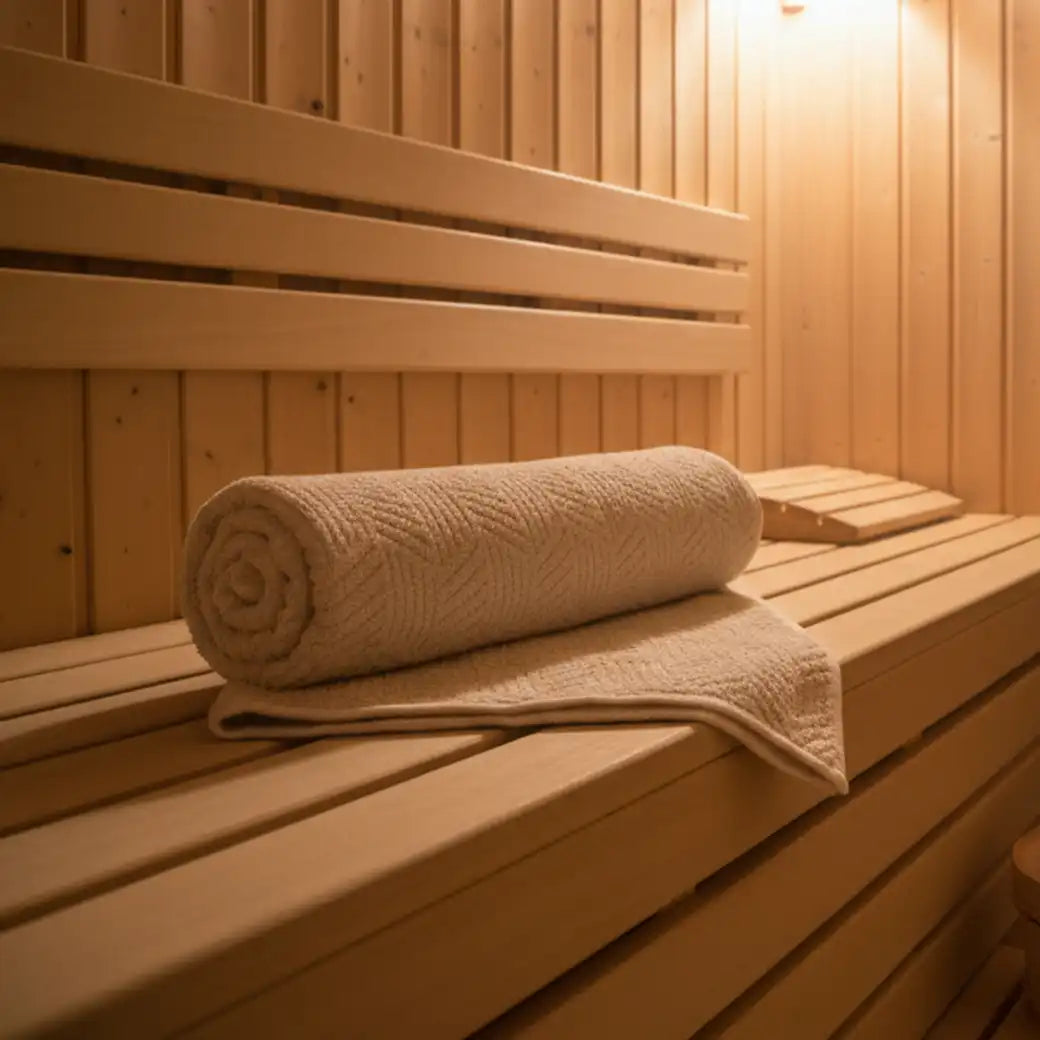
- Wood: Wood is the traditional and most commonly used material for building saunas. It offers a natural and cozy atmosphere. There are different types of wood that are suitable for sauna construction, such as cedar, pine, spruce and aspen. Each type of wood has its own properties and benefits. Cedar is known for its natural resistance to moisture and insects, while pine and spruce provide good thermal insulation.
- Stone: Stone is another popular material for sauna construction. It is often used in combination with wood to create a rustic look. Granite, slate and soapstone are common stone materials for saunas. They retain heat well and ensure even heat distribution in the sauna. Granite gives your sauna a luxurious look, while slate creates a natural and robust atmosphere. Soapstone can retain heat for a long time and release it slowly, resulting in a pleasant sauna experience.
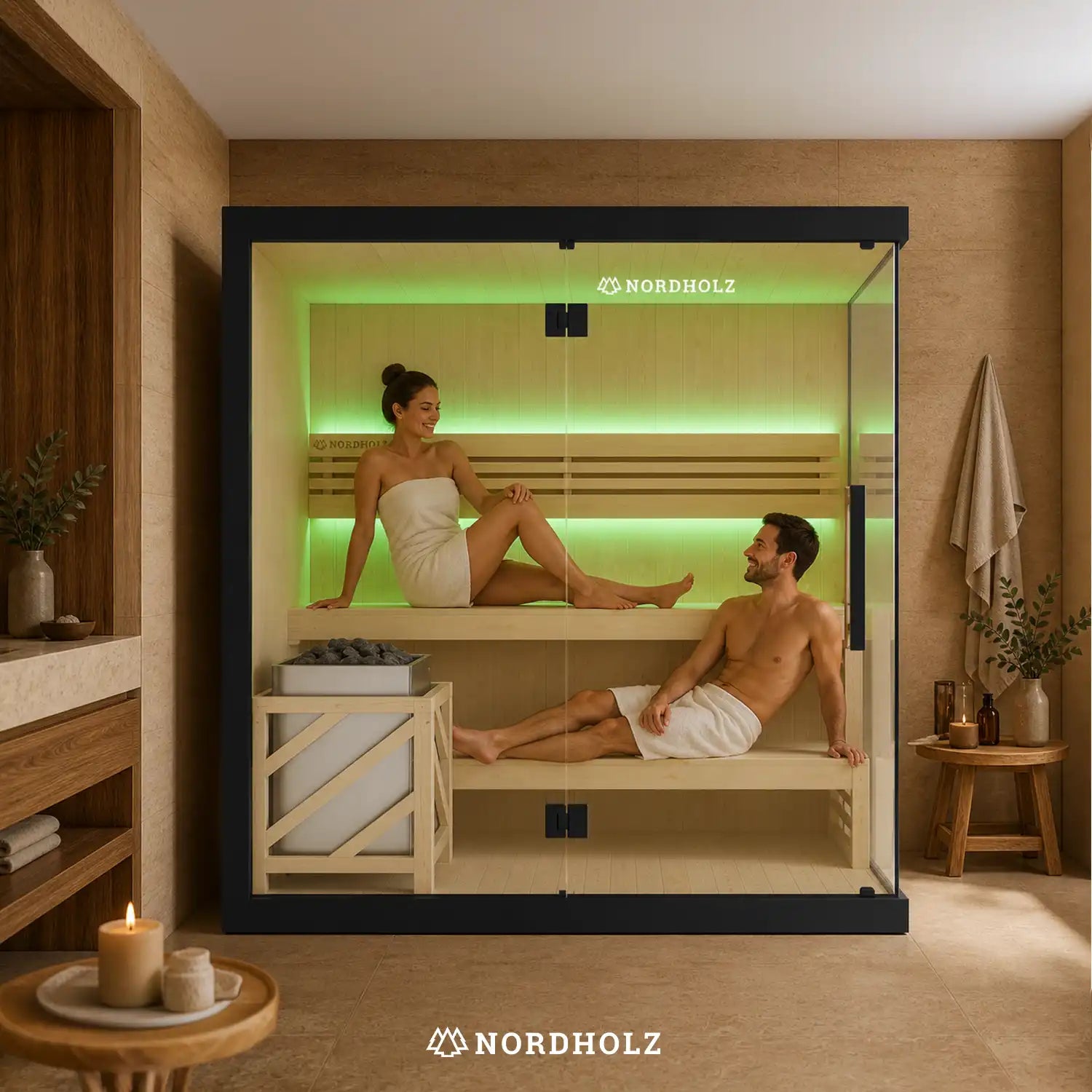
- Glass: Glass can be used for doors, windows or even as wall coverings in the sauna. It allows for an open and airy atmosphere and allows light into the room. However, when using glass in the sauna, it should be noted that it does not insulate heat as well as wood or stone.
- Metal: Metal can be used for modern and industrial sauna designs. Aluminum and stainless steel are popular metal materials for saunas. They are durable, corrosion-resistant and combine well with other materials. Aluminum is lighter than stainless steel, while stainless steel offers a sleek and modern aesthetic.
Sauna Design Considerations
In addition to the choice of materials, there are also various design considerations that you should take into account when building a sauna:
- Size: The size of the sauna depends on your individual needs and the space available. Consider how many people will be using the sauna at the same time and whether you need additional space for relaxation areas or other features.
- Ventilation: Good ventilation is important to ensure air circulation in the sauna. Make sure your sauna has adequate ventilation systems to supply fresh air and expel stale air. This can be achieved through vents, fans, or even by installing windows.
- Lighting: Lighting plays an important role in creating the right atmosphere in the sauna. Choose warm and dimmable lighting to create a relaxing mood. LED lights are an energy efficient option and can be set in different colors to create a pleasant and calming sauna atmosphere.
- Bench design: The benches are a central part of every sauna. Choose comfortable and heat-resistant materials for the benches and make sure they are ergonomically designed. The height and inclination of the benches should suit your individual needs to ensure optimal comfort.
- Aesthetics: Also think about the overall aesthetics of your sauna. Think about what style and colors you prefer. Do you want a traditional, modern, natural or minimalist sauna? Choose materials and colors that match your desired style and create a harmonious atmosphere.
When designing and selecting materials for your sauna, you should consider your individual needs and preferences. It is best to consult a professional to ensure that your sauna is a perfect fit for your needs and will provide you with years of enjoyment.