 Aufguss Bundles
 Ätherische Öle
  Probierboxen
 Sauna Mützen & Kissen
 Sauna
Sauna
 Bundles
 Beliebt in der Sauna
 Beliebt im Diffuser
 Sauna Eimer
 Sauna Messgerät
 Rückenlehne & Kopfstütze
 Massage
 Sauna Extras
 Geschenk bis 50 Euro
 Geschenk bis 100 Euro
 Sauna Salz
 Sauna Honig
 Sauna Peeling
 Zubehör
 Geschenk & Bundle
 Alles aus Textilien
 Saunahut
 Sauna Kissen
 Sauna Kilt
 Geschenk-Set & Bundle
 Sauna Handtuch
 Sauna Bademantel
 Alles aus Sauna
 Fasssauna
 Innensauna
 Eistonne


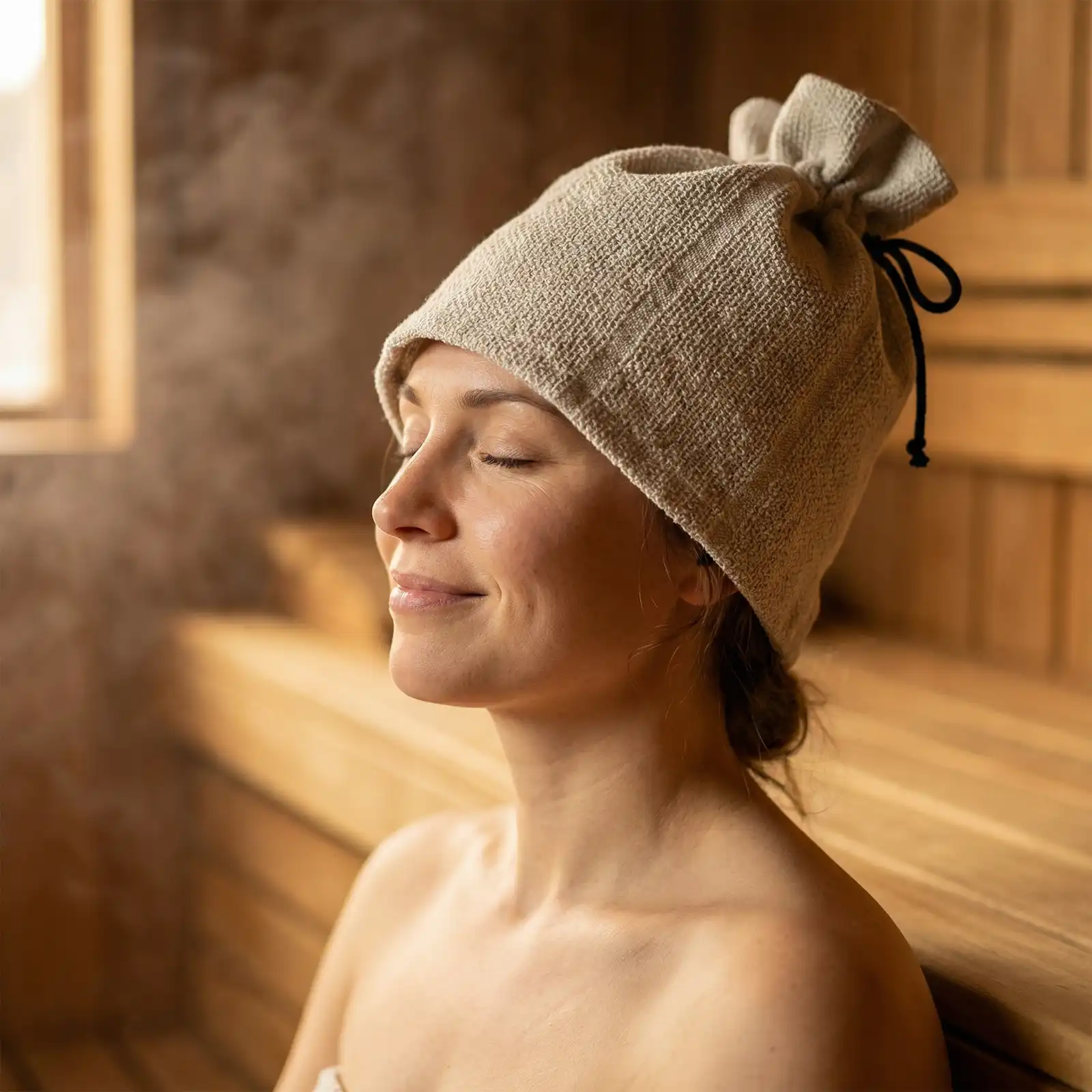
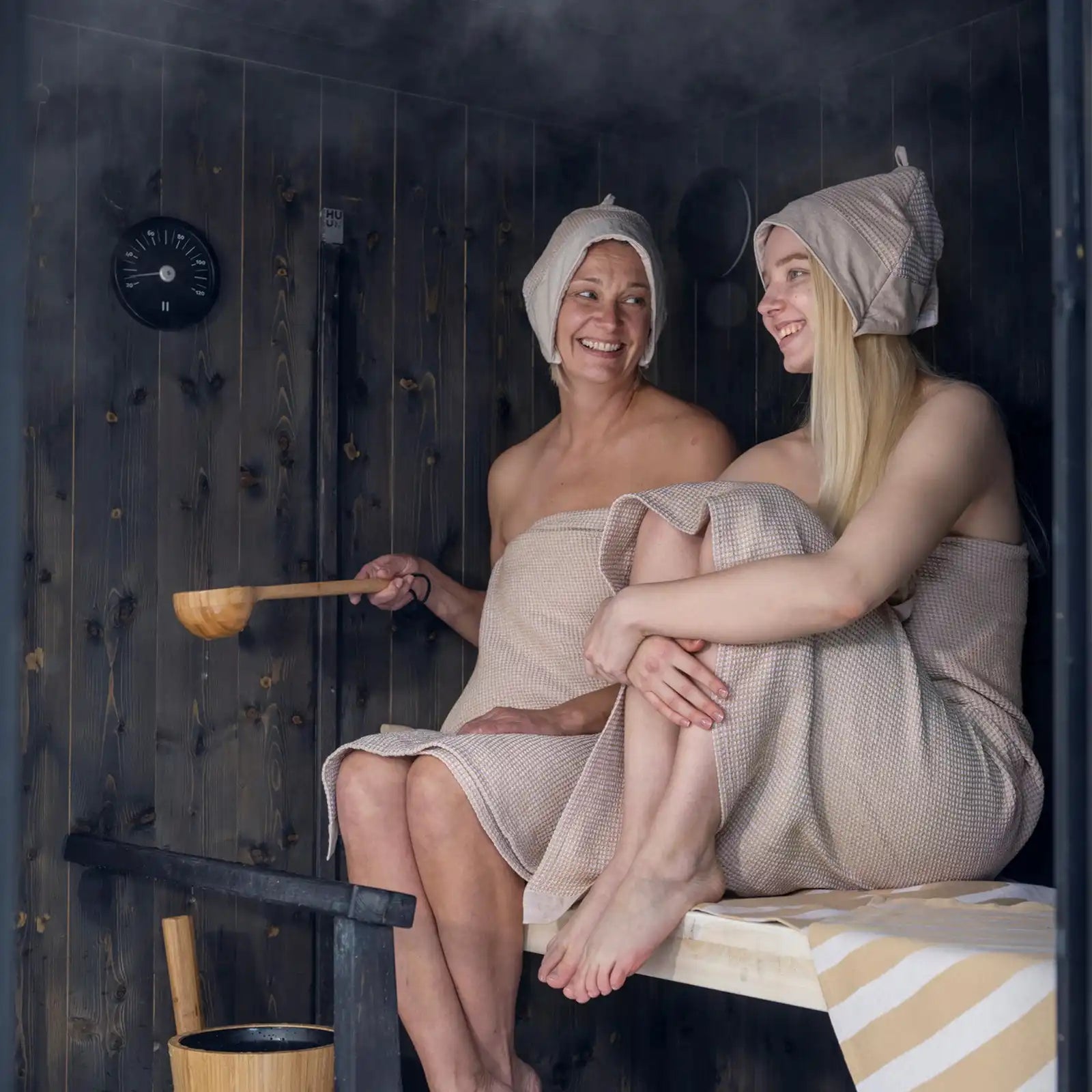
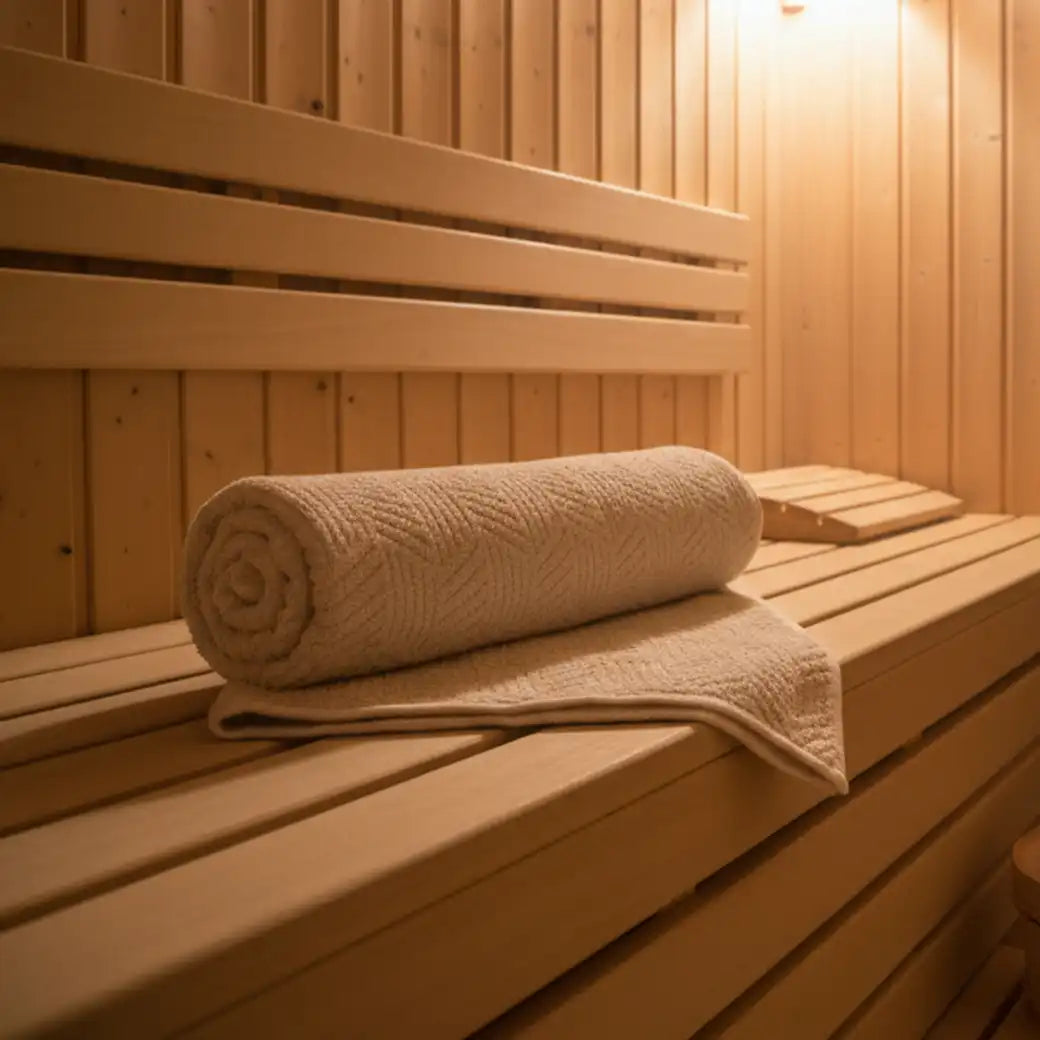
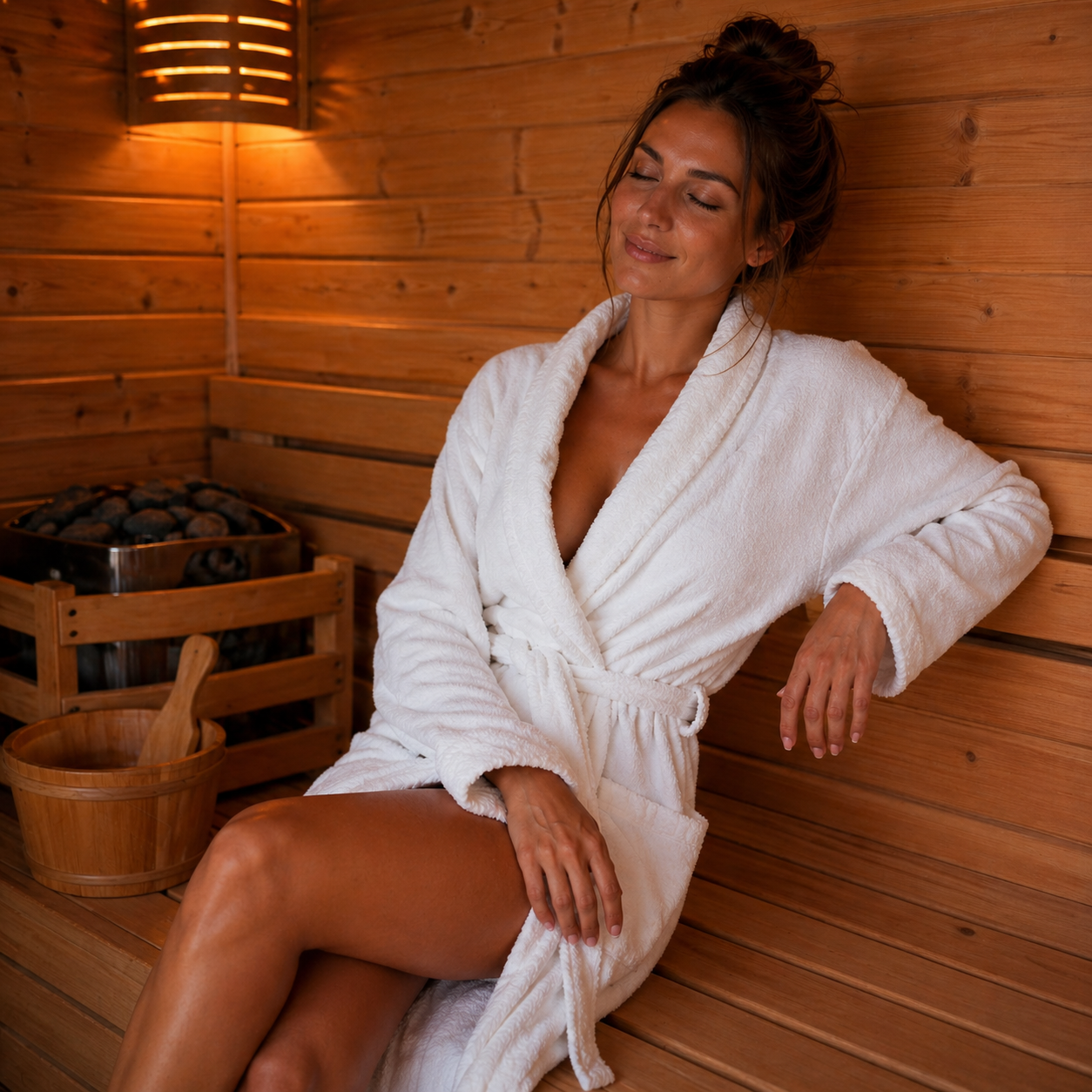

Sauna for Seniors: Relaxation, Health, and Well-being in Your Golden Years
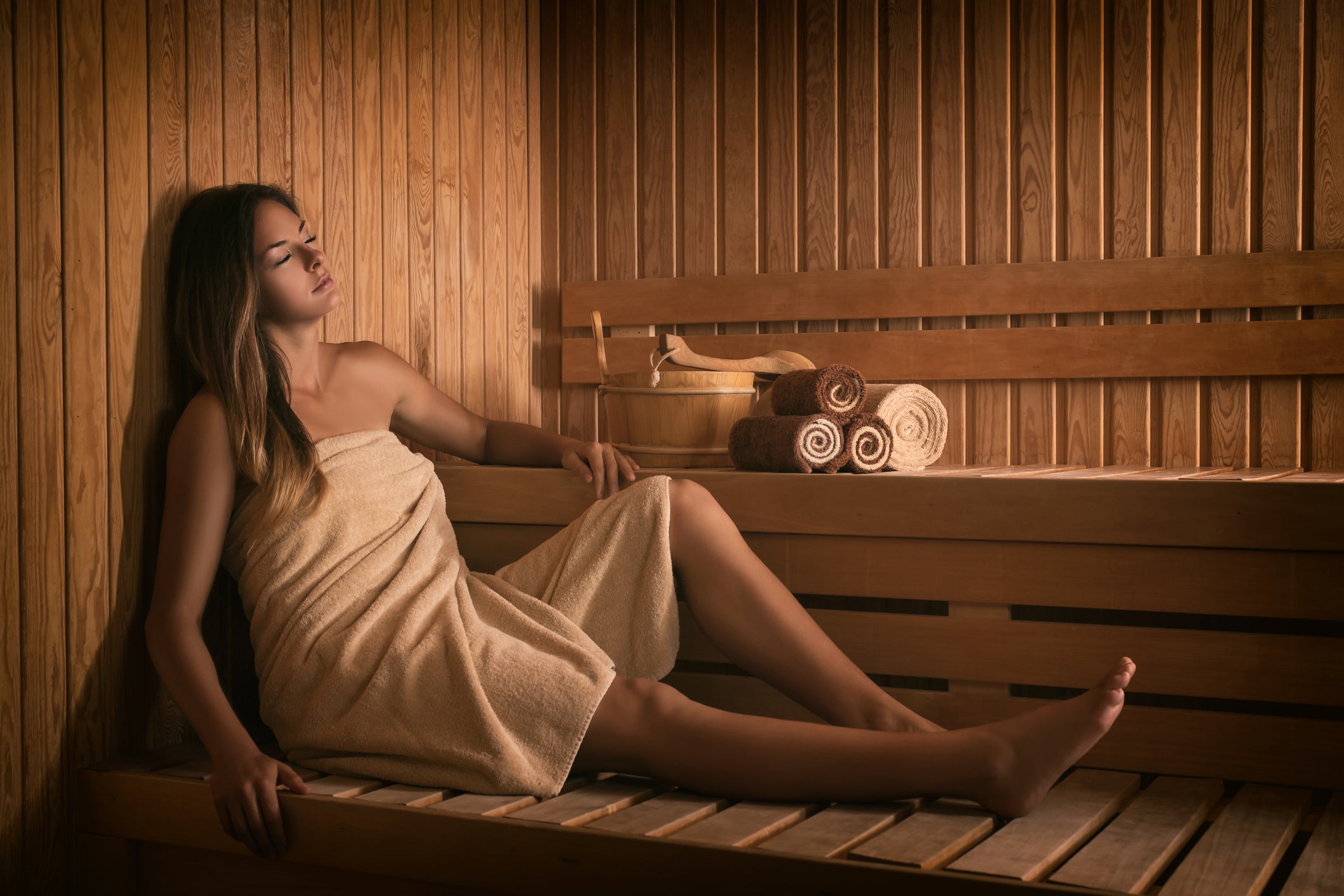
The sauna is a place of relaxation, rejuvenation, and well-being. It's a place where body and mind can find peace, stress is relieved, and health is promoted. Even in old age, the sauna can be a valuable addition to one's quality of life, as sauna bathing has numerous positive effects on both body and mind, which are particularly significant in later years.
In this article, we want to introduce you to the benefits of sauna bathing in old age, give you valuable tips and recommendations on how to enjoy the sauna safely and pleasantly, and debunk some myths surrounding sauna bathing for seniors.
Why Sauna Bathing is So Valuable in Old Age
Regular sauna use offers numerous health benefits, which are particularly important for seniors.
- Improved Circulation: The heat in the sauna widens blood vessels, which improves circulation. This can lead to better oxygen supply to organs and tissues, which is especially important for older people who may suffer from poorer circulation, often associated with increasing age. Improved circulation can also help reduce pain in the limbs and improve mobility. In old age, improved circulation can also help speed up wound healing and reduce the risk of vascular diseases.
- Strengthening the Immune System: Sauna bathing strengthens the immune system and makes it more resistant to infections. This is particularly important in old age, as the immune system weakens with age and becomes more susceptible to illnesses. Regular exposure to sauna heat can help strengthen the immune system and improve defenses. Sauna bathing can stimulate the production of white blood cells, which play an important role in fighting off pathogens.
- Pain Relief: The warmth of the sauna can relieve pain from muscle tension, osteoarthritis, or other conditions. The relaxation and stress reduction that occur during sauna bathing can also contribute to pain relief. Many people with chronic pain, such as back pain or joint pain, report relief from their symptoms after a sauna session. The warmth of the sauna can relax muscles and release tension, which can lead to pain relief.
- Promoting Sleep: Sauna bathing can improve sleep by regulating the hormone melatonin, which is important for a healthy sleep cycle. A relaxing sauna session in the evening can help prepare the body for rest and improve sleep. People who suffer from sleep disorders, in particular, can benefit from sauna bathing. The warmth of the sauna can calm the body and promote relaxation, leading to better sleep.
- Improving Mental Health: Sauna bathing has a positive effect on the psyche. The warmth of the sauna provides relaxation and stress reduction, which improves mood and general well-being. Sauna sessions can help reduce anxiety and depression and promote a sense of calm and contentment. The relaxation and tranquility experienced in the sauna can help lower stress levels and improve mood.
- Detoxification of the Body: Sweating in the sauna helps remove toxins from the body. This can improve skin health, enhance general well-being, and strengthen the immune system. Sweating can also help remove excess fluid from the body, which can be particularly beneficial for people with cardiovascular diseases.
- Improving Cardiovascular Health: Regular sauna bathing can help strengthen the cardiovascular system and reduce the risk of cardiovascular diseases. The warmth of the sauna leads to an increased heart rate and improves circulation, which trains the cardiovascular system.
Common Myths About Sauna Bathing in Old Age
There are some myths circulating about sauna bathing in old age, which we would like to debunk here:
- Myth 1: Sauna bathing is too dangerous for older people. Fact: Sauna bathing is safe for most people, even in old age, if a few precautions are observed. Talk to your doctor if you have health concerns and follow our tips and recommendations. Sauna bathing is generally safe for older people, but it is important to be aware of the potential risks and take some precautions.
- Myth 2: Older people cannot stay in the sauna as long as younger people. Fact: The optimal sauna duration varies from person to person and depends on individual health and habits. Start with short sauna sessions and gradually increase the duration if you feel comfortable. It is important to pay attention to your body's signals and leave the sauna if necessary.
- Myth 3: Older people should not use a hot sauna. Fact: The choice of sauna type depends on your personal preferences and your health condition. If you suffer from certain illnesses, talk to your doctor to find the right type of sauna for you. Older people can certainly use a hot sauna, but it is important that they gradually get used to the heat and pay attention to their body's reaction.
Tips for Sauna Bathing in Old Age
To make sauna bathing as pleasant and safe as possible in old age, you should observe some important tips:
- Start Slowly: Gradually increase the sauna duration and temperature to get used to the heat. Start with short sauna sessions of 5-10 minutes and gradually increase the duration if you feel comfortable.
- Drink Enough: Drink plenty of fluids before, during, and after sauna bathing to avoid dehydration. Especially in old age, it is important to ensure adequate fluid intake, as the body can store less fluid with increasing age.
- Take Breaks: Take sufficiently long breaks in a cool room between sauna sessions to recover. The breaks should be at least as long as the sauna session.
- Do Not Overheat: Make sure you do not overheat. If you feel unwell, leave the sauna immediately. Symptoms of overheating can include: dizziness, nausea, headache, or heart palpitations.
- Caution with Health Problems: If you suffer from cardiovascular diseases, high blood pressure, diabetes, asthma, or other health problems, you should talk to your doctor before sauna bathing. They can tell you whether sauna bathing is suitable for you and what precautions you should take.
- Choose a Sauna with Barrier-Free Access: Make sure the sauna has barrier-free access so you can enter and leave the sauna comfortably and safely. It is important that the sauna has enough space to move around comfortably.
- Use a Sauna Chair or Lounger: If you have difficulty sitting or standing, use a sauna chair or lounger to relax comfortably in the sauna.
- Take a Companion with You: If you feel insecure, take a companion with you who can help you if necessary.
- Pay Attention to Your Surroundings: Keep an eye on your surroundings, especially if you are sauna bathing alone.
- Take Your Medication as Usual: Don't forget to take your medication as usual, even if you are in the sauna.
- Do Not Use Fragrances or Essential Oils: It is better not to use fragrances or essential oils in the sauna, as these can cause allergies or irritations.
- Use a Headrest: A headrest can help you feel more relaxed in the sauna.
- Listen to Your Body: If you feel unwell, leave the sauna immediately.
Recommendations for Sauna Facilities
If you are looking for a suitable sauna facility, you should consider the following criteria:
- Accessibility: Make sure the sauna facility is barrier-free and has showers and changing rooms suitable for people with reduced mobility. It is important that the sauna facility has enough space to move around comfortably.
- Atmosphere: Choose a sauna facility with a pleasant and relaxed atmosphere. Make sure the sauna is clean and hygienic. The atmosphere in the sauna should be calm and relaxing to promote relaxation.
- Offerings: Make sure the sauna facility offers various saunas and additional services such as relaxation areas, massages, or wellness treatments. A diverse offering can make the sauna a place of recreation and well-being.
- Hygiene: Make sure the sauna facility is clean and hygienic. The cleanliness of the sauna facility is important for the health and well-being of visitors.
- Staff: Make sure the staff of the sauna facility are friendly and helpful.
- Prices: Compare the prices of different sauna facilities and choose one that fits your budget.
Conclusion
Sauna bathing in old age can be a valuable enrichment for one's quality of life. Regular sauna use offers numerous health benefits and promotes relaxation and well-being. If you follow the tips and recommendations above, you can enjoy sauna bathing safely and pleasantly.
Talk to your doctor if you have health concerns. They can tell you whether sauna bathing is suitable for you and what precautions you should take.
Enjoy the soothing warmth of the sauna and let yourself be pampered by the positive effects on body and mind.