
 Aufguss Bundles
 Ätherische Öle
  Probierboxen
 Sauna Mützen & Kissen
 Sauna
Sauna
 Bundles
 Beliebt in der Sauna
 Beliebt im Diffuser
 Sauna Eimer
 Sauna Messgerät
 Rückenlehne & Kopfstütze
 Massage
 Sauna Extras
 Geschenk bis 50 Euro
 Geschenk bis 100 Euro
 Sauna Salz
 Sauna Honig
 Sauna Peeling
 Zubehör
 Geschenk & Bundle
 Alles aus Textilien
 Saunahut
 Sauna Kissen
 Sauna Kilt
 Geschenk-Set & Bundle
 Sauna Handtuch
 Sauna Bademantel
 Alles aus Sauna
 Fasssauna
 Innensauna
 Eistonne










Why sauna helps with muscle and joint pain
If you regularly suffer from muscle and joint pain, taking a sauna could be an effective way to relieve these symptoms. Sauna visits can not only be relaxing and beneficial, but can also have a number of positive effects on the body.
The benefits of a sauna for muscle and joint pain
1. Relaxation of the muscles: The high temperature in the sauna helps to relax the muscles and relieve tension. This can lead to noticeable relief from muscle pain.
2. Improve blood circulation: The heat in the sauna causes blood vessels to dilate, resulting in improved blood circulation. Better blood circulation can help reduce inflammation and speed up the healing process of injuries.
3. Elimination of toxins: Through intensive sweating in the sauna, toxins are eliminated from the body. This can help reduce inflammation and relieve pain in muscles and joints.
4. Boosting the immune system: Taking a sauna can strengthen the immune system, helping to fight inflammation and promote recovery from injuries.
5. Stress relief: In addition to the physical benefits, taking a sauna can also help reduce stress. Stress is often a cause of muscle tension and joint pain, so regular sauna use can help reduce these symptoms.
How to Use the Sauna to Relieve Muscle and Joint Pain
1. Consult your doctor: Before you start regular sauna visits, it is important to speak to your doctor, especially if you have certain medical conditions. Your doctor can give you advice and determine whether sauna use is right for you.
2. Hydration is crucial: Make sure you drink enough water before and after your sauna session to keep your body hydrated. Sweating in the sauna can lead to fluid loss, so it's important to replenish this.
3. Start slowly: If you are new to sauna use, start with short sessions and lower temperatures to slowly get your body used to it. Gradually increase the duration and temperature to ensure your body responds well.
4. Be aware of your limits: Listen to your body and stop the sauna session if you feel uncomfortable or in pain. Everyone reacts to the heat differently, so it's important to respect your own boundaries.
5. Rest after the sauna: Take time to rest and cool down after the sauna. Avoid strenuous activity immediately after the sauna to give your body a chance to recover and maximize the positive effects.
Other measures to relieve muscle and joint pain
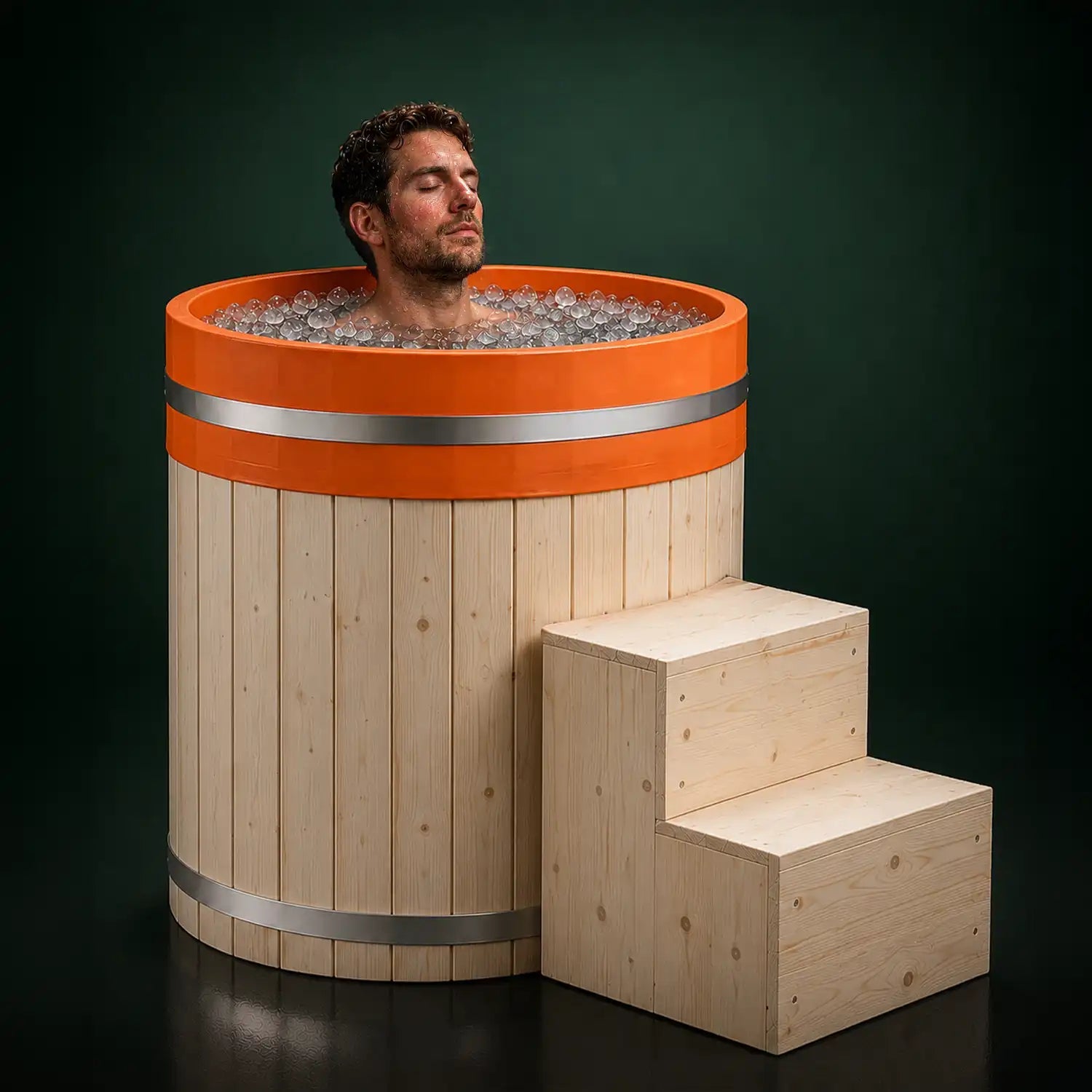
1. Heat and cold therapy: In addition to saunas, heat and cold applications can also help relieve muscle and joint pain. Try warm baths, hot compresses, or cold packs to ease your discomfort.
2. Regular exercise: Regular physical activity, such as light stretching or gentle exercise, can help strengthen muscles and improve joint mobility. Speak to a physical therapist about appropriate exercises for your specific needs.
3. Anti-inflammatory diet: A balanced diet rich in anti-inflammatory foods such as fish, nuts, berries and green leafy vegetables can help reduce inflammation in the body and therefore relieve muscle and joint pain.
4. Weight management: Excess weight can put extra pressure on joints and lead to pain. By eating a healthy diet and exercising regularly, you can control your weight and reduce the strain on your muscles and joints.
Conclusion
Taking a sauna can be an effective way to relieve muscle and joint pain. It offers a natural and relaxing way of pain relief that has numerous benefits for the body. Combined with other measures such as heat and cold therapy, regular exercise and an anti-inflammatory diet, sauna use can help relieve your symptoms and improve your quality of life. Remember to consult your doctor before starting regular sauna visits and be aware of your limits. With the right approach and precautions, sauna use can help you experience relief from your discomfort and improve your overall well-being.