 Aufguss Bundles
 Ätherische Öle
  Probierboxen
 Sauna Mützen & Kissen
 Sauna
Sauna
 Bundles
 Beliebt in der Sauna
 Beliebt im Diffuser
 Sauna Eimer
 Sauna Messgerät
 Rückenlehne & Kopfstütze
 Massage
 Sauna Extras
 Geschenk bis 50 Euro
 Geschenk bis 100 Euro
 Sauna Salz
 Sauna Honig
 Sauna Peeling
 Zubehör
 Geschenk & Bundle
 Alles aus Textilien
 Saunahut
 Sauna Kissen
 Sauna Kilt
 Geschenk-Set & Bundle
 Sauna Handtuch
 Sauna Bademantel
 Alles aus Sauna
 Fasssauna
 Innensauna
 Eistonne




Stress Reduction through Sauna Use: How it Works and What You Should Consider
In our fast-paced world, stress is a constant companion. It permeates all areas of life and places an enormous burden on our body and mind. The consequences of chronic stress are diverse, ranging from sleep disorders and difficulty concentrating to increased blood pressure and a weakened immune system. Therefore, it is essential to find effective methods for stress management. Sauna use has established itself in recent years as an effective and relaxing method for stress reduction.
The Scientific Background: How Does Sauna Use Combat Stress?
The positive effects of sauna use on stress management can be explained by scientific findings. The warmth of the sauna triggers a series of physiological reactions in the body that directly impact stress levels:
- Improved Circulation: The heat of the sauna causes blood vessels to dilate, improving blood circulation throughout the body. Increased oxygen supply ensures better nutrient delivery and waste removal in the cells. This leads to an increase in cell function and a feeling of energization, which in turn can reduce stress.
- Muscle Relaxation: The warmth of the sauna relaxes muscles and relieves tension. This contributes to deep physical relaxation and thus directly counteracts stress symptoms such as muscle tension and headaches.
- Release of Happiness Hormones: During sauna use, endorphins, the body's natural happiness hormones, are released. Endorphins have pain-relieving, mood-lifting effects and promote a sense of well-being. This contributes to a reduction in stress and anxiety.
- Detoxification of the Body: Sweating in the sauna allows the body to excrete pollutants and toxins. This has a positive effect on the detoxification and cleansing of the body and leads to an increased sense of well-being. A clean body can better cope with stress.
- Improved Sleep Quality: Sauna use can improve sleep quality. The relaxation provided by the warmth and the release of melatonin, the sleep hormone, leads to more restful sleep and promotes stress reduction.
- Reduction of Inflammation: Studies show that sauna use has anti-inflammatory effects. Chronic stress often leads to inflammation in the body, which can negatively impact health. Sauna use can alleviate these inflammations and thus contribute to stress management.
How Sauna Use Influences the Psyche
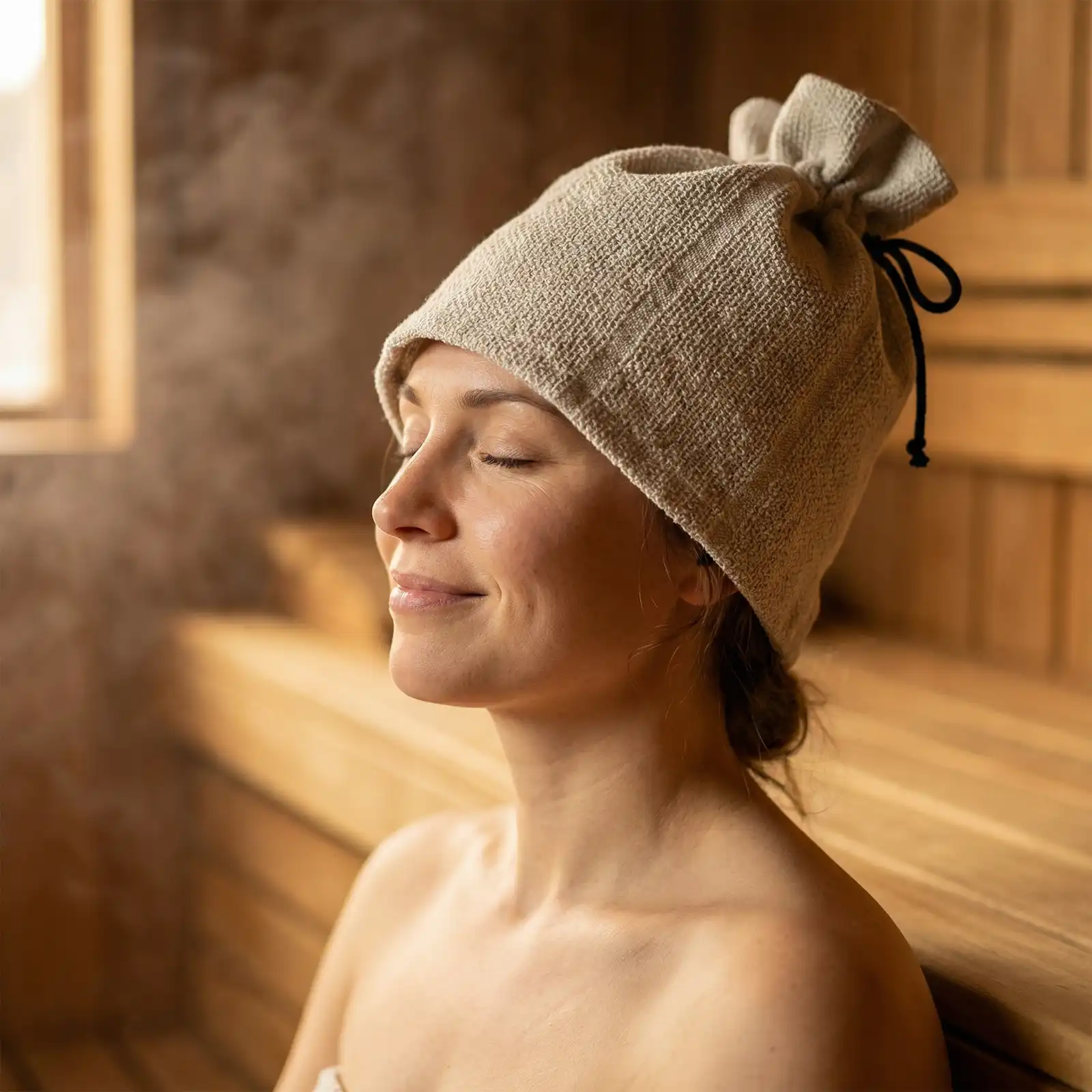
In addition to its physical effects, sauna use also has positive effects on the psyche. The warmth and tranquility in the sauna promote relaxation and have a calming effect on the mind. By eliminating external stimuli, such as noise and light, one can better concentrate on oneself and find inner peace. This allows one to sort thoughts, reduce stress, and recharge batteries.
Sauna Use as Part of a Holistic Approach to Stress Management
Sauna use is an effective method for stress reduction, but it should not be considered the sole solution. For holistic stress management, it is important to consider various aspects of life. A healthy diet, sufficient sleep, regular exercise, and stress management techniques such as yoga or meditation can enhance the effects of sauna use and contribute to improved well-being.
Tips for Sauna Use to Relieve Stress
To optimally utilize the stress-reducing effects of sauna use, you should consider a few tips:
- Regularity: Ideally, go to the sauna 1-2 times a week. Regular sauna use allows the body to get used to the warmth and optimally utilize its positive effects.
- Correct Temperature: The ideal temperature in the sauna is between 80 and 90 degrees Celsius. However, pay attention to your personal tolerance. Beginners should start with shorter sauna sessions at lower temperatures and gradually increase the duration and temperature.
- Sauna Duration: Start with sauna sessions of 10-15 minutes and gradually increase the duration to up to 20 minutes. Pay attention to your body's signals. If you feel overheated, end the sauna session early.
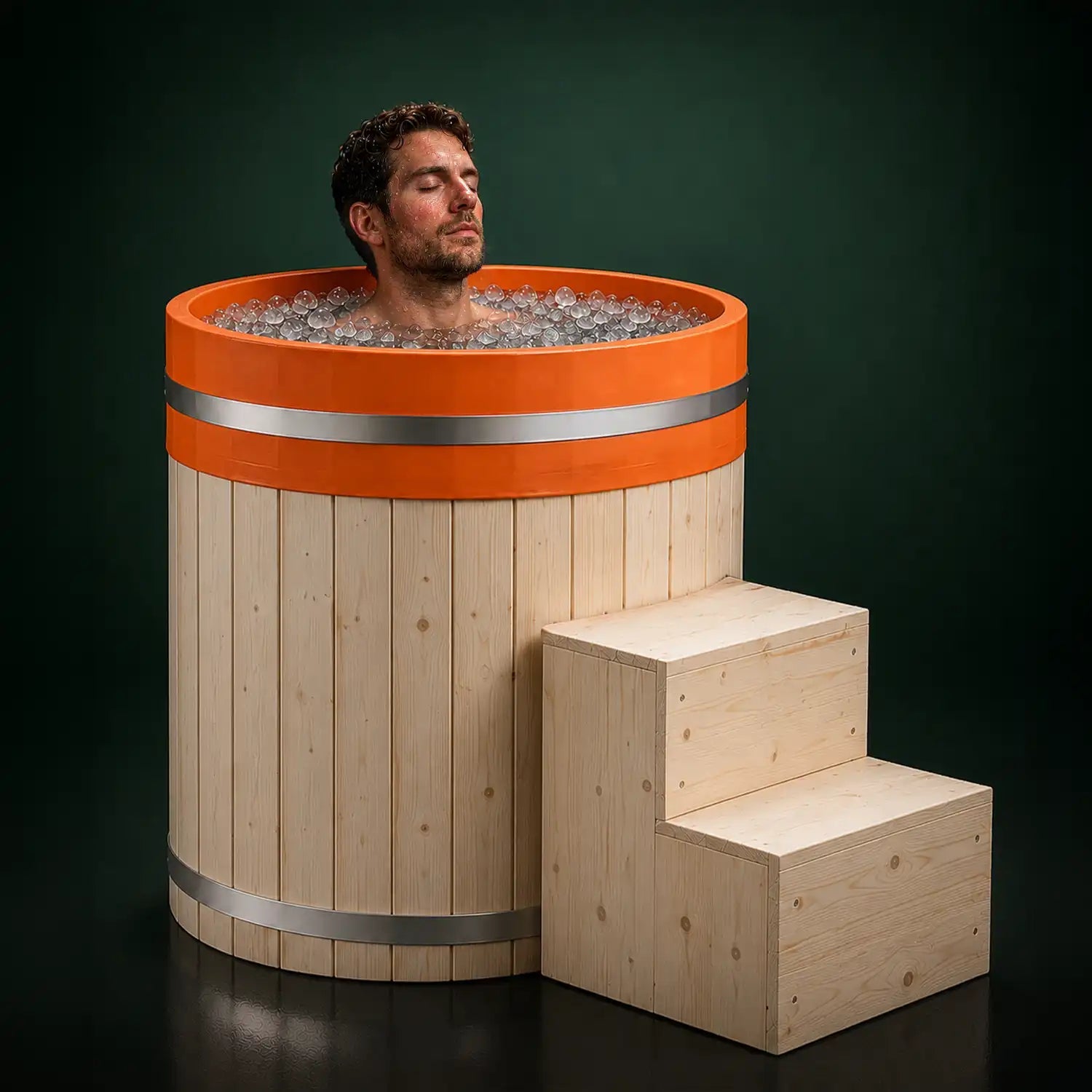
- Cooling Down: After the sauna session, sufficient cooling down is important. Cooling should be slow and gradual, e.g., first a cold shower and then a cold bath. Cooling stimulates circulation and promotes relaxation.
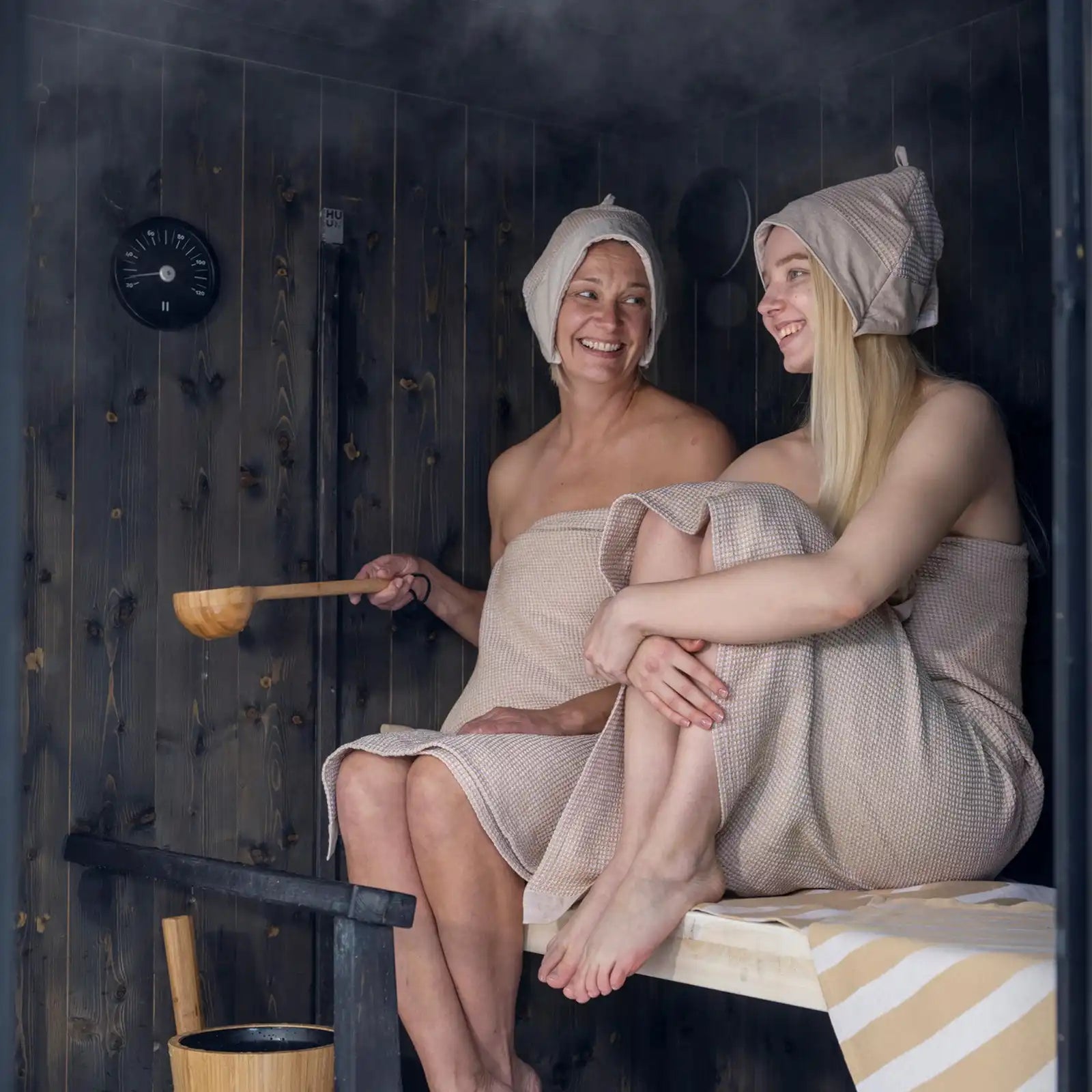
- Relaxation: Take time to relax and enjoy the tranquility in the sauna. Turn off your phone and concentrate on your breathing and the warming atmosphere.
- Hydration: Drink enough fluids before, during, and after the sauna session. Through sweating, the body loses fluids and electrolytes that need to be replenished. Suitable drinks include water, unsweetened tea, or mineral-rich water.
- Health Condition: If you suffer from heart disease, high blood pressure, or other chronic illnesses, always consult your doctor before using the sauna.
Sauna Use for Beginners: First Steps
If you have never been to a sauna before, start slowly and carefully. Choose a sauna with a pleasant climate and a friendly atmosphere. Find a spot in the sauna where you feel comfortable and can relax. Lie down on the bench and relax your muscles. Breathe deeply and evenly and enjoy the warmth and relaxation. Pay attention to your body's signals and end the sauna session if you feel overheated. After the sauna session, you should cool down slowly and gradually. Enjoy the peace and recovery after the sauna session.
Different Types of Saunas
There are different types of saunas that differ in their temperature, humidity, and application. The best-known types are:
- Finnish Sauna: The classic sauna with dry heat and temperatures between 80 and 100 degrees Celsius.
- Bio-Sauna: A sauna with higher humidity and temperatures between 60 and 80 degrees Celsius. The bio-sauna is gentler on the body and is particularly suitable for beginners.
- Steam Bath (Turkish Bath): A steam bath with very high humidity and temperatures between 40 and 50 degrees Celsius. The steam bath promotes circulation and cleanses.
- Infrared Sauna: A sauna that uses infrared rays instead of dry heat. These warm the body from the inside out and have a deeply relaxing effect.
Conclusion: Sauna Use as an Effective Method for Stress Management
Sauna use is an effective method for stress management and promotes overall well-being. The warmth and relaxation strengthen the body and calm the psyche. Regular sauna use can make an important contribution to a healthier and more stress-free life. However, remember that sauna use is not suitable for everyone. Consult your doctor if you are unsure whether sauna use is suitable for you.