 Aufguss Bundles
 Ätherische Öle
  Probierboxen
 Sauna Mützen & Kissen
 Sauna
Sauna
 Bundles
 Beliebt in der Sauna
 Beliebt im Diffuser
 Sauna Eimer
 Sauna Messgerät
 Rückenlehne & Kopfstütze
 Massage
 Sauna Extras
 Geschenk bis 50 Euro
 Geschenk bis 100 Euro
 Sauna Salz
 Sauna Honig
 Sauna Peeling
 Zubehör
 Geschenk & Bundle
 Alles aus Textilien
 Saunahut
 Sauna Kissen
 Sauna Kilt
 Geschenk-Set & Bundle
 Sauna Handtuch
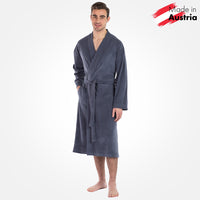 Sauna Bademantel
 Alles aus Sauna
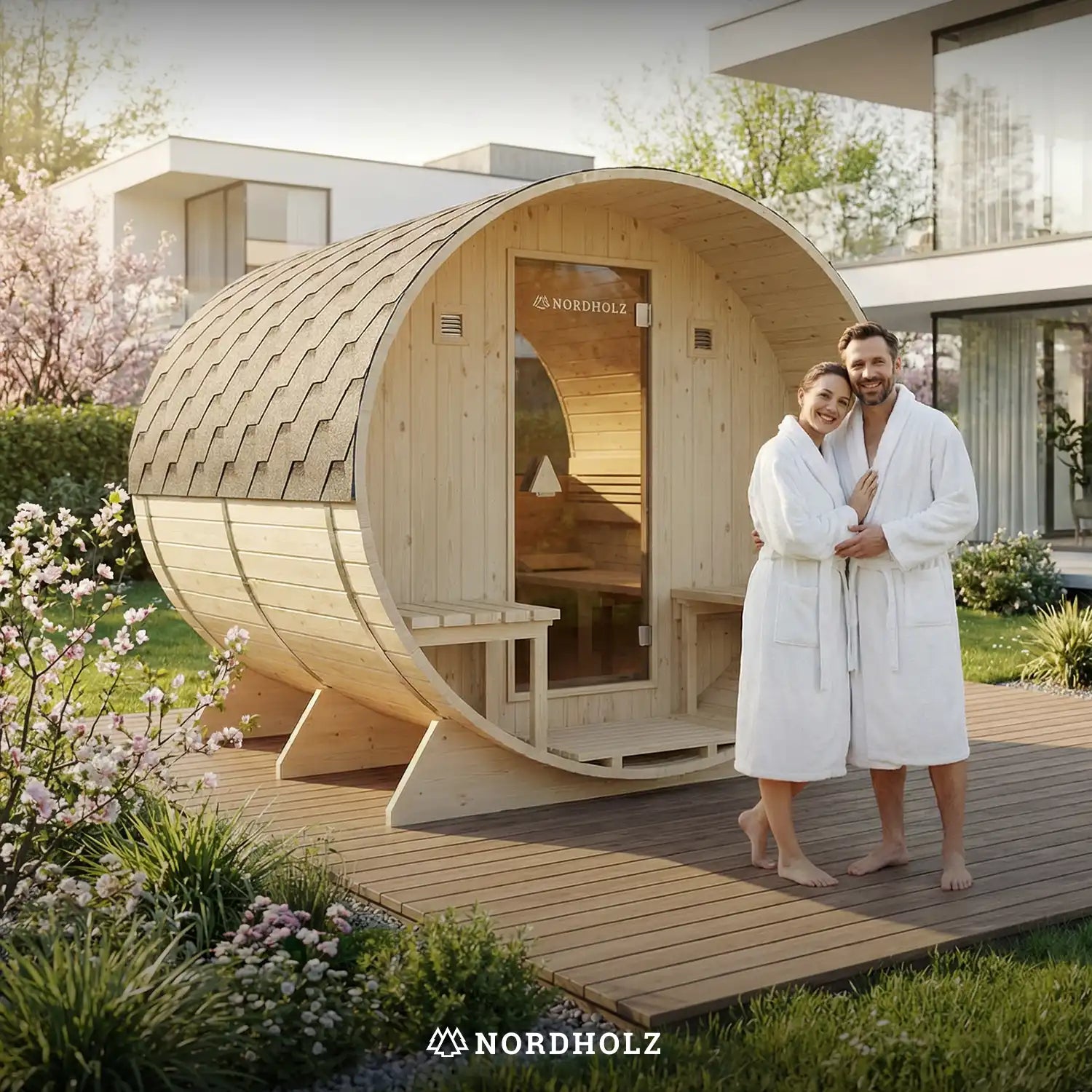
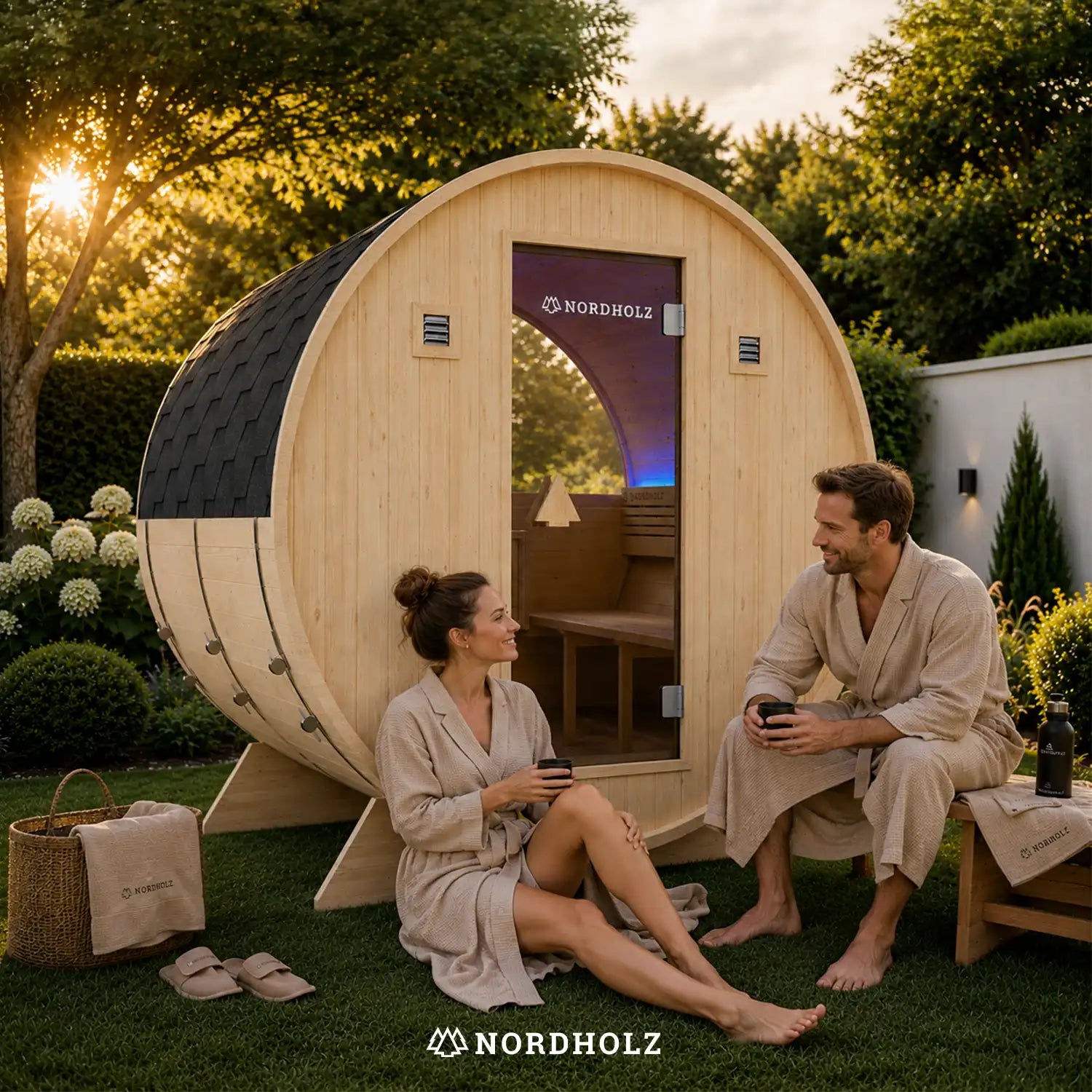
 Fasssauna
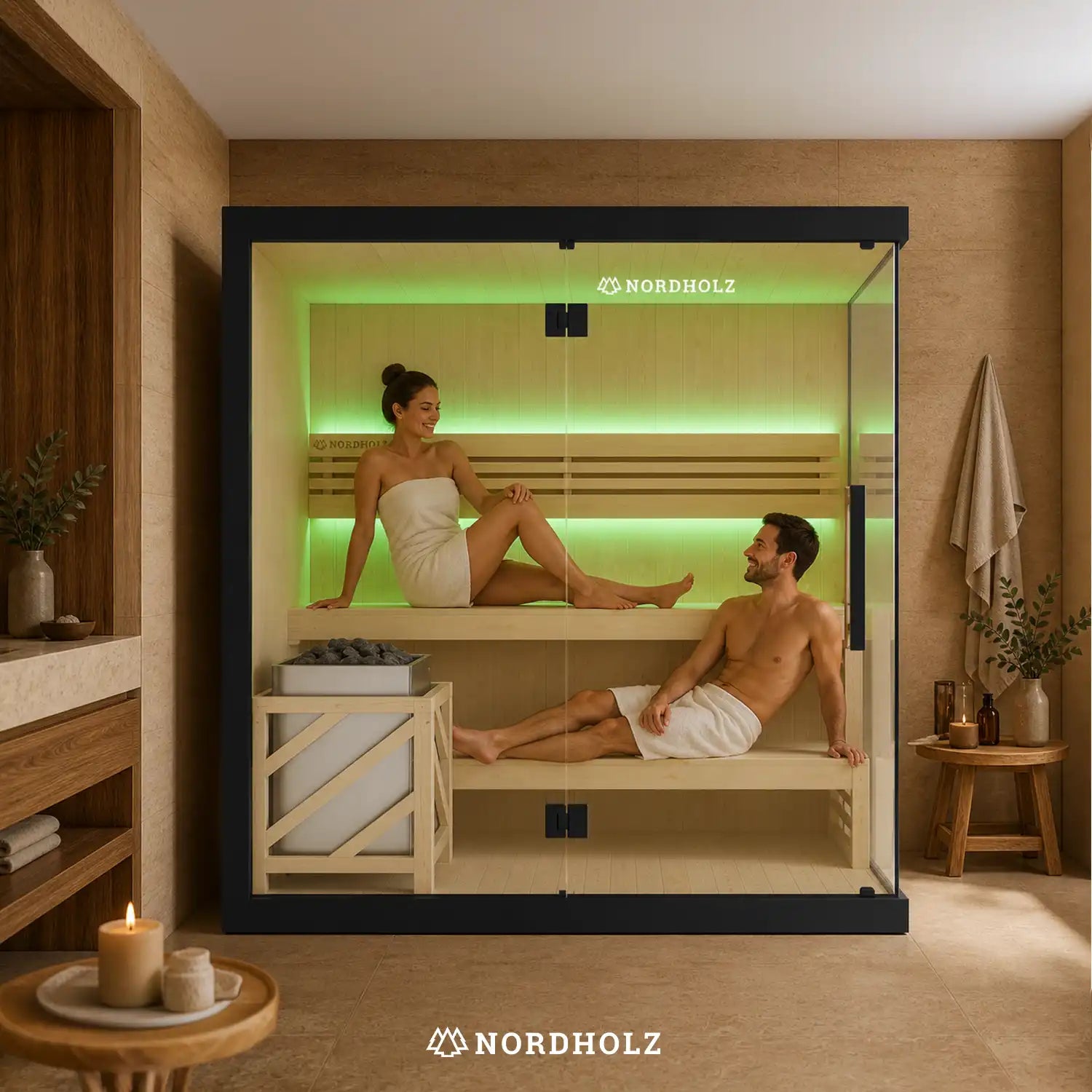
 Innensauna
 Eistonne

Traditional Sauna Rituals from Around the World: Immersing in the Warmth of Different Cultures
The sauna is more than just a place to relax and sweat. In many cultures around the globe, it has been an integral part of life for centuries, connected with deeply rooted traditions and rituals. Join us on a journey through the world and discover the fascinating rituals that make the sauna a unique experience.
Finnish Sauna: The Original Form of Sauna Bathing
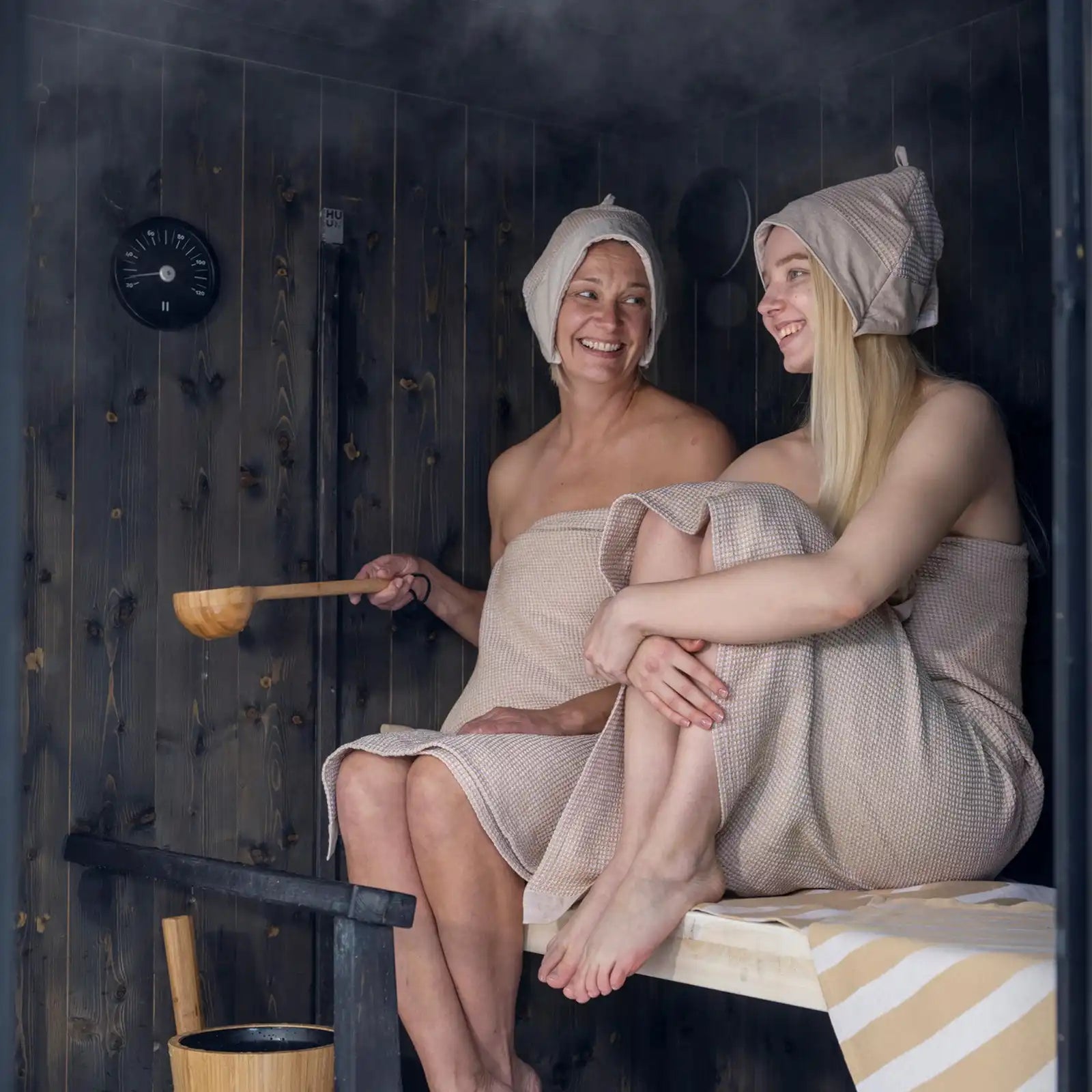
In Finland, the home of the sauna, it is considered a national treasure. Sauna bathing is an integral part of everyday life and is used for various occasions: for relaxation, for cleansing the body, for strengthening the immune system, and even for social interaction. Finns have a deep connection to the sauna that goes far beyond physical cleansing. They see it as a place of meditation and spiritual purification. The typical Finnish sauna is heated with wood and has a wooden bench where one sits. The typical Finnish sauna session is characterized by high temperatures (up to 100°C) and dry air. Sauna-goers pour water onto hot stones to increase humidity and intensify the infusion. This infusion is traditionally enriched with various herbs or essential oils to make the sauna session even more beneficial.
Finns have developed a rich tradition of sauna bathing that has been passed down through generations. For example, there are different types of saunas, each serving its own purpose:
- Smoke Sauna: The smoke sauna is the oldest form of Finnish sauna. It is heated with a fire that burns directly in the sauna room. The smoke is directed through the sauna, creating a unique atmosphere.
- Wood-heated Sauna: The wood-heated sauna is the most common type of sauna in Finland. It is heated with a wood stove located outside the sauna room.
- Electric Sauna: The electric sauna is a more modern form of sauna. It is heated with electric heating elements.
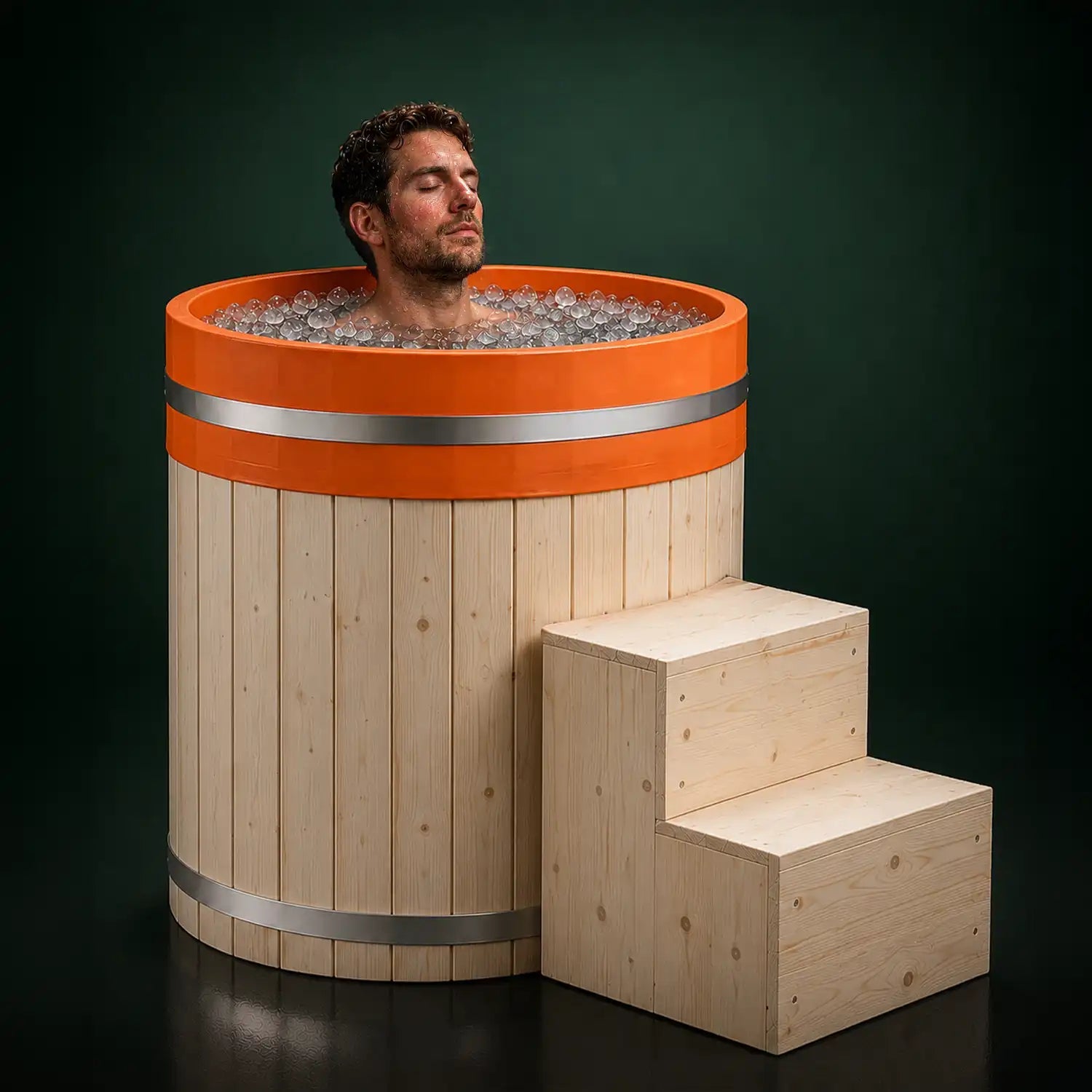
In addition to the different types of saunas, there are also various rituals associated with sauna bathing. For example, in Finland, it is customary to shower and thoroughly cleanse oneself before entering the sauna. After the sauna session, it is traditional to plunge into a cold lake or under a cold shower to cool the body. This alternation between heat and cold is an important part of the Finnish sauna ritual and is intended to stimulate circulation and strengthen the skin.
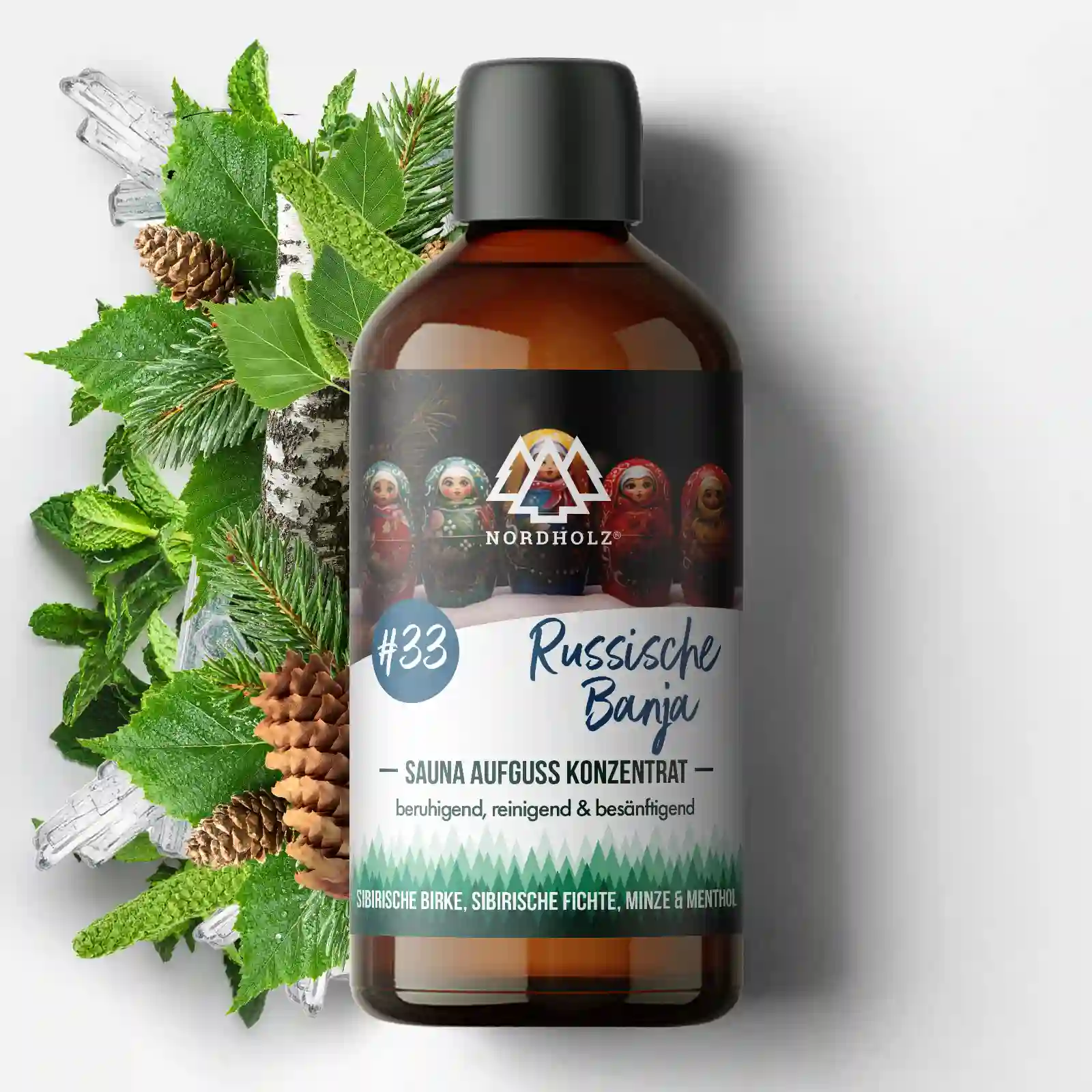
Russian Banya: Steam Bath with Birch Branches
The Russian Banya is a type of steam bath that encourages sweating with birch branches, which are sprinkled with hot water. These branches, also called "veniks," are used to exfoliate the skin and for massage. The hot steam of the Banya is said to open pores and flush toxins from the body. The birch branches have a beneficial effect on the skin and respiratory system.
The Banya is more than just a place to sweat – it is a place of community and tradition. It is usually enjoyed with friends and family and is a place for conviviality and exchange. Songs are often sung and stories are told. The Russian Banya has a long tradition and has been used by Russians for centuries. It is believed that the tradition of the Banya dates back to the 10th century.
The rituals in the Banya are diverse and vary from region to region. For example, in some regions, it is customary to drink a cup of tea before the Banya and warm up in a warm chamber. After the Banya, it is traditional to plunge into a cold river or under a cold shower to cool the body.
Japanese Onsen: Healing Thermal Springs
In Japan, onsen, natural hot springs, are a popular place for relaxation and health promotion. Onsen culture is deeply rooted in Japanese history and is considered a spiritual experience by many Japanese. There are countless different types of onsen, differing in their water temperature, mineral composition, and surroundings. Some onsen are located in the mountains, others near volcanic areas. Many onsen are equipped with traditional Japanese houses and gardens to convey a sense of calm and relaxation.
Visiting an onsen in Japan is associated with many rituals. For example, it is customary to thoroughly cleanse one's body before entering the onsen. This is a sign of respect for the tradition and other visitors. There are special washing rooms where one can shower with soap and water. After showering, one changes into a yukata, a light cotton garment.
In the onsen itself, it is customary to bathe naked. In Japan, this is a sign of purity and respect. It is important to shower thoroughly before entering the onsen to maintain the purity of the water. It is also customary to pour water over each other to stimulate blood circulation.
After the bath, it is customary to rest in a comfortable room and enjoy green tea. Many onsen also offer massages and other wellness treatments.
Turkish Hamam: Cleansing for Body and Soul
The Turkish Hamam is a steam bath with a long tradition. It was originally a place of cleansing and hygiene, but also a social gathering place. The hamams were often adorned with magnificent mosaics and domes and offered visitors a unique atmosphere of peace and relaxation. In the hamam, the body is cleansed with soap and a special peeling mitt, the Kese. The Kese is a coarse glove made of cotton or silk that removes dead skin and stimulates blood circulation.
It is customary for visitors to rub and massage each other with soap. This is a sign of hospitality and respect. Often, a massage with a special oil is also performed to relax the muscles. After the sauna session, visitors are traditionally treated to tea or a drink.
The Hamam has played an important role in Turkish culture. It was a place of social life where people came together to cleanse, relax, and socialize. Hamams were also used by doctors to treat illnesses.
Traditional Sauna Rituals: Modern Interpretations
Traditional sauna rituals are still practiced in many cultures today and have found their way into the modern world. For example, in Germany and Austria, there are numerous saunas that draw inspiration from traditional rituals from around the world. Modern sauna landscapes often combine elements from different cultures to offer visitors a unique and unforgettable experience. For example, there are saunas with Finnish infusions, Turkish steam bath areas, and Japanese relaxation zones.
The selection of infusions has also expanded. In addition to traditional herbs such as eucalyptus and peppermint, there are now modern infusions with exotic fruits and flowers. Some saunas also offer special infusions tailored to specific needs. For example, there are infusions designed to clear the airways, infusions to relax muscles, and infusions to nourish the skin.
Conclusion: The Sauna - A Universe of Warmth and Tradition
The sauna is a fascinating example of how different cultures meet and enrich each other with their own traditions and rituals. Whether in Finland, Russia, Japan, or Turkey – the sauna is a place of relaxation, cleansing, and conviviality. It offers space for peace and reflection, but also for shared experiences and exchange. Immerse yourself in the warmth of different cultures and discover the fascinating rituals that make the sauna a unique experience.