The Sauna: A Hot Place for Relaxation and Well-being
The sauna is an integral part of our culture and is valued by many people as a place of relaxation and regeneration. The soothing warmth, the pleasant scent of wood, and the tranquility that prevails in the sauna attract us and help us forget the stress of everyday life. However, the sauna is not only a place of relaxation, but also a place where our body is challenged in a very special way. The cardiovascular system, in particular, is heavily stressed by the heat of the sauna. In this article, we want to look at the effects of sauna visits on the cardiovascular system and answer the questions that concern many people: Is saunas really as healthy as it is often portrayed? What risks does saunas pose for the heart? And who should avoid the sauna?
Saunas: An intense strain on the cardiovascular system
Visiting a sauna is comparable to an intense workout. The heat of the sauna leads to a strong dilation of the blood vessels, which increases blood flow. The heart has to pump more blood through the body to supply the body with oxygen and nutrients. The heart rate accelerates and the heart rate increases significantly. This effect is comparable to the training of an athlete. The strain on the heart caused by the sauna can lead to improved cardiac muscle strength and increased pumping power.
The positive effects of a sauna session
Regular stimulation of the cardiovascular system by the heat of the sauna has a number of positive effects on our health. Here are some important benefits:
* **Improved heart function:** Regular strain on the heart from the sauna leads to improved cardiac muscle strength and increased pumping power. The heart is trained and becomes more efficient.
* **Increased vascular elasticity:** The dilation and contraction of blood vessels due to the heat of the sauna trains the vessel walls and makes them more elastic. This lowers blood pressure and reduces the risk of arteriosclerosis, a hardening of the arteries.
* **Improved circulation:** The dilation of blood vessels leads to improved circulation throughout the body. Important organs such as the brain, lungs, and kidneys are better supplied with oxygen and nutrients.
* **Strengthening the immune system:** Sweating in the sauna helps the body eliminate toxins and strengthen the immune system. The warmth activates the body's defenses and makes it more resistant to illness.
* **Relaxation and stress reduction:** The warmth of the sauna has a relaxing effect and reduces stress. Muscles relax, thoughts drift away, and a feeling of deep relaxation sets in.
Saunas and cardiovascular diseases: Is saunas a risk factor?
The positive effects of saunas on the cardiovascular system are undisputed. However, the heat of the sauna can also pose risks for people with certain pre-existing conditions. People with high blood pressure, cardiac arrhythmias, heart failure, or other heart problems should definitely consult their doctor before using a sauna. The heat of the sauna can further increase blood pressure and strain the heart. In some cases, saunas can even be dangerous.
Who should better avoid the sauna?
In addition to people with cardiovascular diseases, people with the following conditions should also avoid the sauna:
* **Pregnancy:** The heat of the sauna can be dangerous for the unborn child's development.
* **Diabetes:** People with diabetes should only visit the sauna under medical supervision.
* **Hyperthyroidism:** The heat of the sauna can further increase thyroid activity.
* **Fever:** If you have a fever, you should definitely avoid the sauna.
* **Alcohol or drug consumption:** You should not go to the sauna under the influence of alcohol or drugs.
Safety tips for a relaxing sauna session
For people without pre-existing conditions, saunas are generally harmless. To minimize risks and maximize the positive effects of a sauna session, some safety tips should be observed:
* **Start slowly:** Especially during the first sauna sessions, you should gradually increase the time spent in the sauna. Start with short sauna sessions of 5-10 minutes and gradually increase the duration.
* **Not too hot:** Make sure the temperature is not too high. The ideal temperature is between 80 and 90 degrees Celsius. If the temperatures are too high, the body cannot dissipate the heat sufficiently, which can lead to circulatory problems.
* **Enough fluids:** Drink plenty of fluids before, during, and after the sauna session. This will compensate for fluid loss due to sweating and prevent dehydration. Ideally, you should drink water or unsweetened tea. Alcoholic beverages or sugary drinks are not recommended.
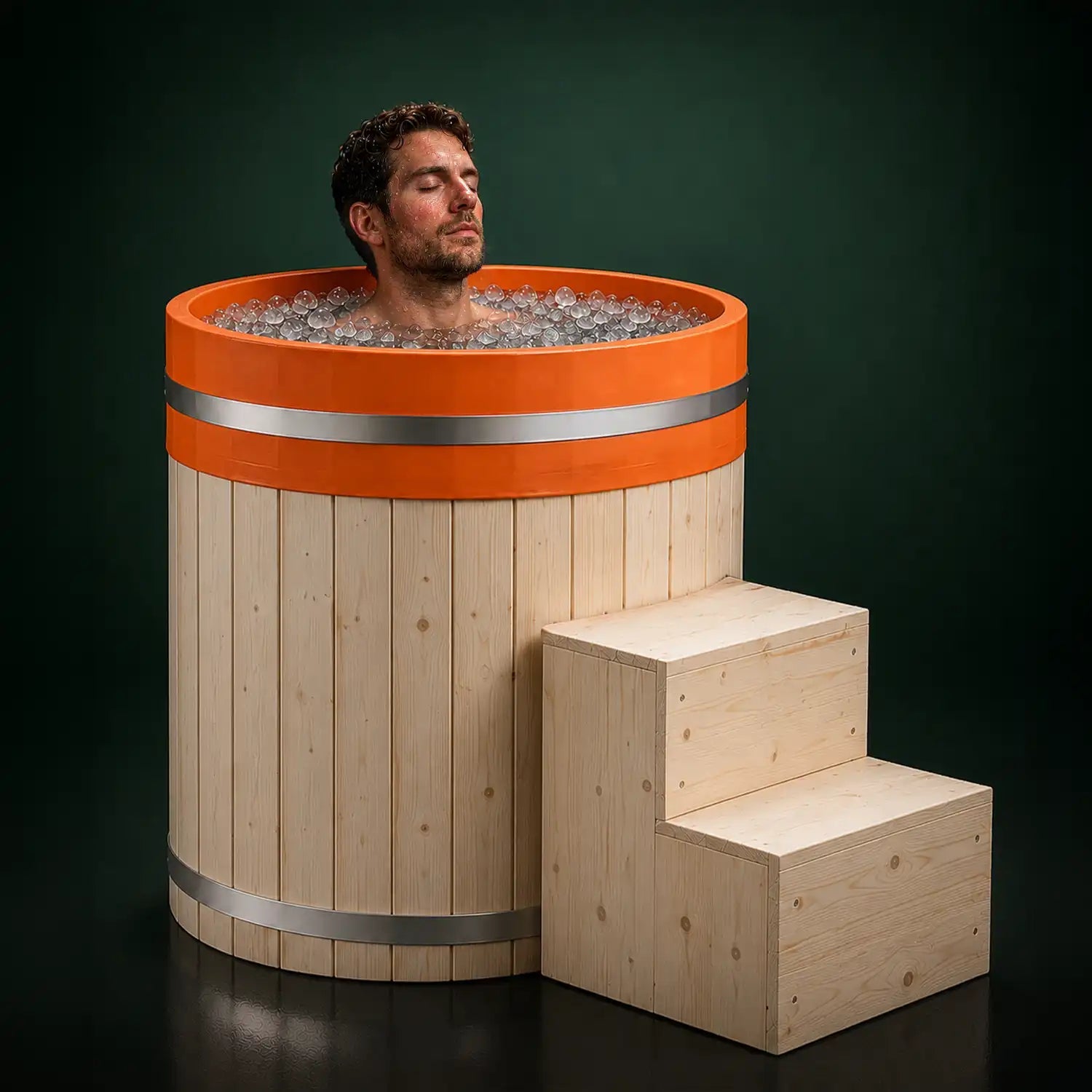
* **Good cooling down:** Cool down thoroughly after each sauna session. A cold shower or a dip in the pool helps regulate circulation. Especially with heart problems, it is important not to move abruptly after the sauna session, but to leave the sauna slowly and calmly.
* **Listen to your body:** If you feel dizzy, nauseous, or experience any other discomfort, you should leave the sauna immediately and rest. It is important to pay attention to your body's signals and leave the sauna if necessary.
Conclusion: Saunas - Enjoy a beneficial ritual with caution
Saunas can have a beneficial effect on the cardiovascular system. It can improve heart function, make blood vessels more elastic, and reduce the risk of cardiovascular diseases. However, it is important to be aware of the risks and, in the case of pre-existing conditions, to definitely consult a doctor. With a little caution and common sense, you can make the sauna a place of relaxation and regeneration without endangering your heart health.